5 Simple Exercises to Prevent Falls at Home for Older Adults
Published
Local Physiotherapist - Lizzie Thornton, Staffordshire Moorlands & Cheshire East
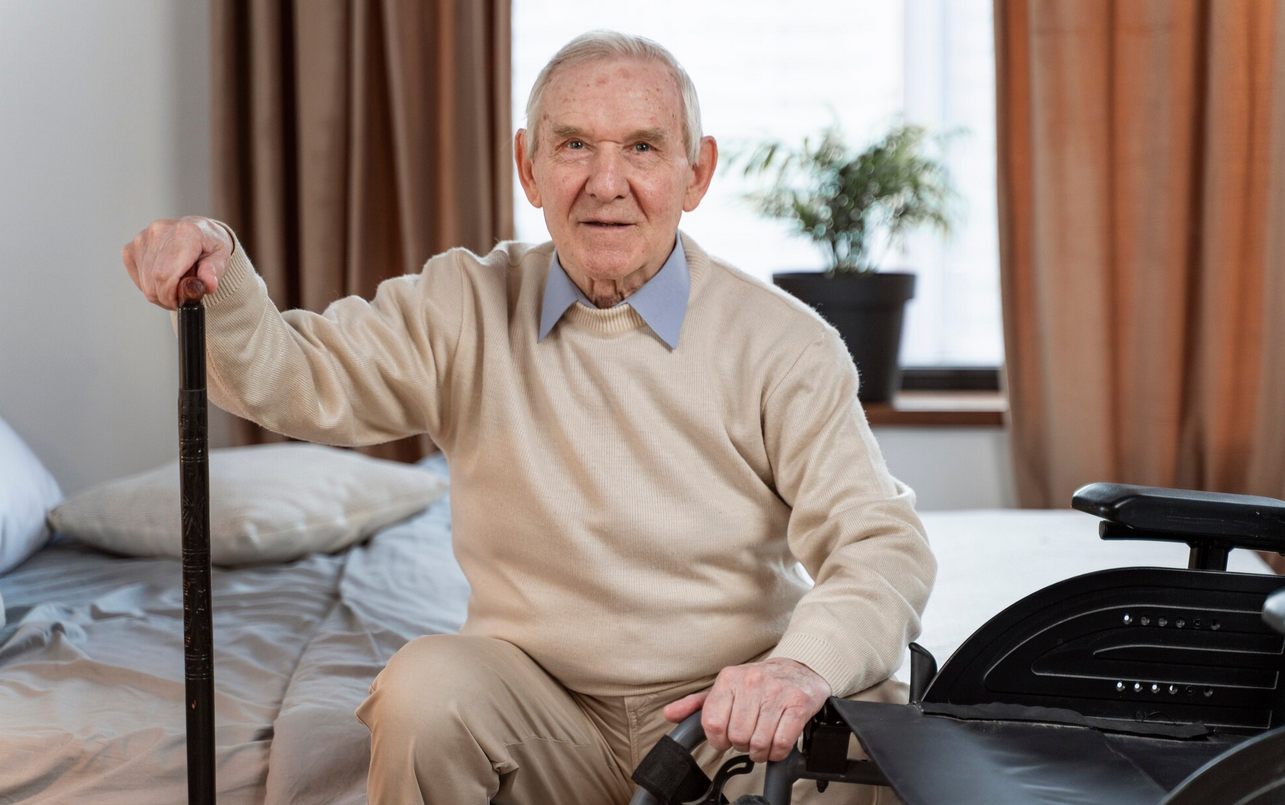
Falls are one of the most common causes of injury in older adults, but they're not an inevitable part of ageing. With the right exercises, you can significantly improve your balance, strength, and confidence — reducing your risk of falling at home.
Why balance exercises matter
As we age, our balance naturally declines due to changes in muscle strength, joint flexibility, and sensory systems. However, research consistently shows that targeted balance and strength exercises can reduce fall risk by up to 30%.
The key is consistency. Just 15-20 minutes of balance exercises, 3-4 times per week, can make a real difference to your stability and confidence.
Safety first
Before starting any new exercise programme:
- Check with your GP if you have any medical concerns
- Always have a sturdy chair or worktop nearby for support
- Wear supportive, non-slip footwear
- Start slowly and build up gradually
- Stop if you feel dizzy, unwell, or experience pain
If you've already had a fall or feel very unsteady, consider getting a professional assessment. Our falls prevention programme includes a comprehensive home assessment and personalized exercise plan.
Exercise 1: Single leg stands
What it does: Improves balance and strengthens the muscles that keep you stable when walking.
How to do it:
- Stand next to a sturdy chair or worktop for support
- Lift one foot slightly off the ground (just a few inches)
- Hold this position for 10 seconds
- Lower your foot and repeat on the other side
- Aim for 3 repetitions on each leg
Progression: As you improve, try holding for longer (up to 30 seconds) or reducing how much you hold onto the support.
Exercise 2: Heel-to-toe walk
What it does: Challenges your balance and improves coordination, similar to walking on uneven surfaces.
How to do it:
- Stand with a wall or worktop to your side for support if needed
- Place one foot directly in front of the other, heel touching toes
- Take 10-15 steps forward in this heel-to-toe pattern
- Turn around and walk back
- Repeat 2-3 times
Progression: Try doing this without holding onto support, or with your arms crossed over your chest.
Exercise 3: Sit-to-stand
What it does: Strengthens your legs and improves your ability to get up from chairs safely — one of the most important movements for preventing falls.
How to do it:
- Sit in a sturdy chair with your feet flat on the floor
- Cross your arms over your chest
- Lean forward slightly and stand up without using your hands
- Slowly lower yourself back down to sitting
- Repeat 10 times
Progression: Use a lower chair, or hold a light weight against your chest.
Exercise 4: Sideways walking
What it does: Strengthens the muscles at the side of your hips, which are crucial for stability when walking or turning.
How to do it:
- Stand with your feet hip-width apart, hands on a worktop for support
- Step sideways with your right foot
- Bring your left foot to meet it
- Take 10 steps to the right, then 10 steps back to the left
- Repeat 2-3 times
Progression: Use less support from your hands, or add a resistance band around your ankles.
Exercise 5: Standing on one leg with arm movements
What it does: Challenges your balance in a more functional way, similar to reaching for items while standing.
How to do it:
- Stand next to a chair for support
- Lift one foot slightly off the ground
- While balancing, slowly raise one arm above your head
- Lower it back down
- Repeat 5 times, then switch legs
Progression: Try reaching in different directions (forward, to the side) or closing your eyes briefly.
Creating your routine
Here's a simple weekly plan to get started:
Week 1-2: Building foundations
- Practice each exercise 3 times per week
- Use support as needed
- Focus on good form rather than speed
Week 3-4: Building confidence
- Increase to 4 times per week
- Try using less support
- Add extra repetitions
Week 5 onwards: Maintaining progress
- Continue 3-4 times per week
- Progress exercises as they become easier
- Consider adding new challenges
When to seek professional help
While these exercises are safe for most people, you should consider professional physiotherapy if you:
- Have fallen in the past 12 months
- Feel very unsteady or anxious about falling
- Have had a recent hospital stay or surgery
- Have specific medical conditions affecting your balance
- Want a personalized programme tailored to your needs
Our elderly rehabilitation programme includes comprehensive balance assessment, tailored exercises, and ongoing support to help you stay safe and independent at home.
Beyond exercises: other ways to prevent falls
While exercise is crucial, fall prevention is about more than just balance training:
- Home safety: Remove trip hazards, improve lighting, install grab rails
- Vision: Get regular eye tests and wear the right glasses
- Footwear: Wear supportive, non-slip shoes (avoid slippers)
- Medication review: Some medications can affect balance — discuss with your GP
- Strength training: Include exercises that build leg and core strength
The bottom line
Falls aren't an inevitable part of getting older. With consistent practice of these simple exercises, you can significantly improve your balance, build confidence, and reduce your risk of falling. The key is to start gently, be consistent, and progress gradually as you get stronger.
Remember, it's never too late to start. Whether you're 65 or 95, balance exercises can make a real difference to your stability and independence.
Need help getting started?
If you'd like a professional assessment and personalized exercise programme, we can help. Our home physiotherapy service includes comprehensive falls risk assessment and tailored balance training in the comfort of your own home.

About Lizzie Thornton
Lizzie Thornton is a specialist community physiotherapist with over 15 years of experience working with older adults. She is HCPC registered and a member of the Chartered Society of Physiotherapy. Lizzie provides home physiotherapy visits across Staffordshire Moorlands and Cheshire East, specializing in falls prevention, elderly rehabilitation, and helping people maintain their independence at home.