Hip Replacement Recovery: Your Week-by-Week Guide to Getting Back on Your Feet
Published
Local Physiotherapist - Lizzie Thornton, Staffordshire Moorlands & Cheshire East
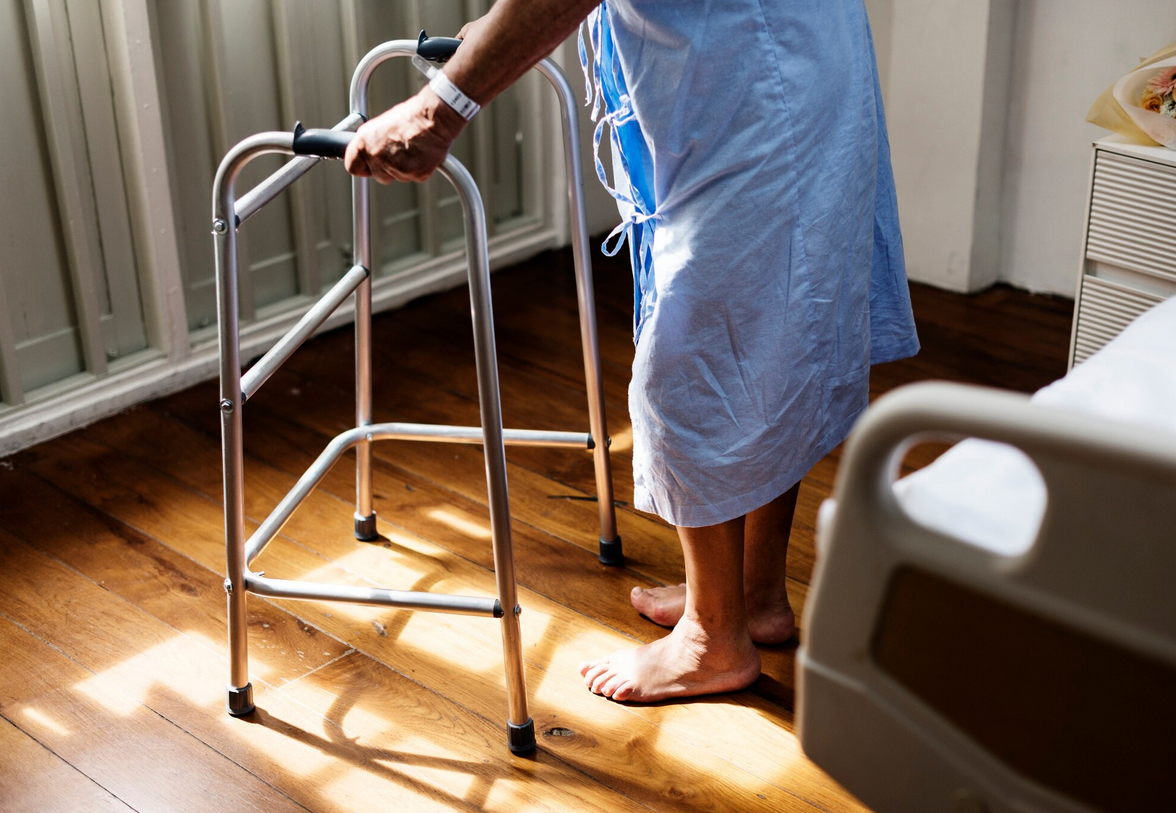
Hip replacement surgery can be life-changing, but recovery takes time and dedication. This week-by-week guide will help you understand what to expect, set realistic goals, and know when you're progressing well.
Understanding hip replacement recovery
Hip replacement (total hip arthroplasty) is one of the most successful operations in modern medicine, with over 90% of patients experiencing significant pain relief and improved mobility. However, full recovery typically takes 3-6 months, with most improvement happening in the first 12 weeks.
Everyone's recovery is different, depending on factors like:
- Your age and overall health
- How active you were before surgery
- The surgical approach used
- How well you follow your rehabilitation programme
- Whether you have any complications
This guide provides general timelines, but always follow your surgeon's and physiotherapist's specific advice.
Week 1-2: The first days at home
What to expect
- Pain and discomfort (managed with prescribed medication)
- Swelling around the hip
- Fatigue — surgery is exhausting for your body
- Using crutches or a walking frame for all movement
- Needing help with daily tasks
Your goals
- Manage pain effectively
- Practice your exercises 3-4 times daily
- Walk short distances with your frame
- Follow hip precautions strictly
- Get in and out of bed safely
Key exercises
Ankle pumps: 10 repetitions every hour while awake (prevents blood clots)
Quadriceps sets: Tighten thigh muscle, hold 5 seconds, repeat 10 times
Buttock squeezes: Squeeze buttocks together, hold 5 seconds, repeat 10 times
Heel slides: Slide heel towards buttock, keeping foot on bed, repeat 10 times
Week 3-6: Building confidence
What to expect
- Pain gradually reducing
- Swelling improving
- Increasing independence with daily tasks
- Possibly reducing to one crutch
- Sleeping better
Your goals
- Walk further distances (aim for 10-15 minutes, 2-3 times daily)
- Progress your exercises
- Reduce reliance on walking aids (if your physiotherapist agrees)
- Manage stairs more confidently
- Return to light household tasks
Progressing your exercises
By week 3-4, you should be adding:
Standing hip abduction: Lift leg out to side while holding support, 10 reps
Standing hip extension: Lift leg backwards while holding support, 10 reps
Mini squats: Small knee bends holding onto support, 10 reps
Step-ups: Practice on a small step (10-15cm high), 5-10 reps
Week 7-12: Regaining strength
What to expect
- Walking without aids (for most people)
- Minimal pain (though some discomfort is normal)
- Returning to most daily activities
- Still some stiffness, especially in the morning
- Continuing to improve week by week
Your goals
- Walk for 20-30 minutes continuously
- Manage all stairs confidently
- Return to driving (if cleared by your surgeon)
- Resume light gardening or hobbies
- Build strength and endurance
Strengthening exercises
This phase focuses on building strength:
Sit-to-stand: From a chair, 10-15 repetitions
Single leg balance: Hold for 10-30 seconds each leg
Heel raises: Rise up on toes, 10-15 repetitions
Side-stepping: Walk sideways 10 steps each direction
Resistance band exercises: Add resistance to hip movements
Week 13+: Returning to normal life
What to expect
- Significant improvement in strength and mobility
- Minimal to no pain
- Returning to most activities
- Continuing gradual improvements for up to a year
Your goals
- Return to regular walking, swimming, cycling
- Resume all daily activities
- Maintain your exercise routine
- Build towards your pre-surgery activity level (or better)
Hip precautions: What to avoid
For the first 6-12 weeks (your surgeon will advise), you'll need to follow "hip precautions" to protect your new hip:
Don't bend your hip past 90 degrees
- Use a raised toilet seat
- Sit on high chairs (add cushions if needed)
- Don't bend down to pick things up — use a helping hand grabber
Don't cross your legs
- Keep a pillow between your legs when sleeping
- Don't cross legs when sitting
- Keep feet apart when standing
Don't twist your hip
- Turn your whole body, not just your hip
- Take small steps when turning
- Be careful getting in and out of cars
When to seek help
Contact your surgeon or physiotherapist if you experience:
- Increasing pain (not improving with medication)
- Sudden severe pain
- Redness, heat, or discharge from your wound
- Fever or feeling unwell
- Increasing swelling
- Shortness of breath or chest pain
- Your leg giving way or feeling unstable
The role of physiotherapy in recovery
While hospital physiotherapy gets you started, ongoing physiotherapy at home can significantly improve your recovery. Hip & Knee Replacement Rehabilitation offers:
- Personalized exercise progression based on your recovery
- Assessment and correction of movement patterns
- Confidence building with functional activities
- Problem-solving if you're not progressing as expected
- Support transitioning back to your normal activities
Many people benefit from 4-8 physiotherapy sessions over the first 3 months, with exercises tailored to their specific needs and home environment.
Activities timeline
Here's a general guide to when you can return to common activities:
- Driving: 6-8 weeks (check with surgeon and insurance)
- Light housework: 2-4 weeks
- Shopping: 4-6 weeks
- Swimming: 6-8 weeks (once wound fully healed)
- Walking for exercise: Progress gradually from week 1
- Cycling: 8-12 weeks
- Golf: 3-4 months
- Gardening: Light work at 6-8 weeks, heavier work at 3 months
- Sexual activity: 4-6 weeks (following hip precautions)
Avoid: High-impact activities like running, jumping, contact sports
Tips for a successful recovery
- Do your exercises religiously: They're the most important part of recovery
- Walk little and often: Better than one long walk
- Rest when tired: Your body needs energy to heal
- Eat well: Protein and nutrients support healing
- Stay positive: Recovery has ups and downs — that's normal
- Follow precautions: They protect your new hip
- Ask for help: Don't struggle alone
- Be patient: Full recovery takes months, not weeks
The bottom line
Hip replacement recovery is a journey, not a race. While the first few weeks can be challenging, most people are delighted with their results by 3-6 months. The key is consistent exercise, following precautions, and progressing gradually.
Remember, everyone's recovery is unique. Some people progress faster, others slower — both are normal. What matters is steady improvement over time.
Need support with your recovery?
If you're recovering from hip replacement and want expert guidance at home, we can help. Our Hip & Knee Replacement Rehabilitation service provides personalized exercise programmes, progress monitoring, and support throughout your recovery journey.

About Lizzie Thornton
Lizzie Thornton is a specialist community physiotherapist with over 15 years of experience working with older adults. She is HCPC registered and a member of the Chartered Society of Physiotherapy. Lizzie provides home physiotherapy visits across Staffordshire Moorlands and Cheshire East, specializing in post-operative rehabilitation, elderly care, and helping people maintain their independence at home.