Home Safety Assessment: Fall Prevention for Elderly
Published
Local Physiotherapist - Lizzie Thornton, Staffordshire Moorlands & Cheshire East
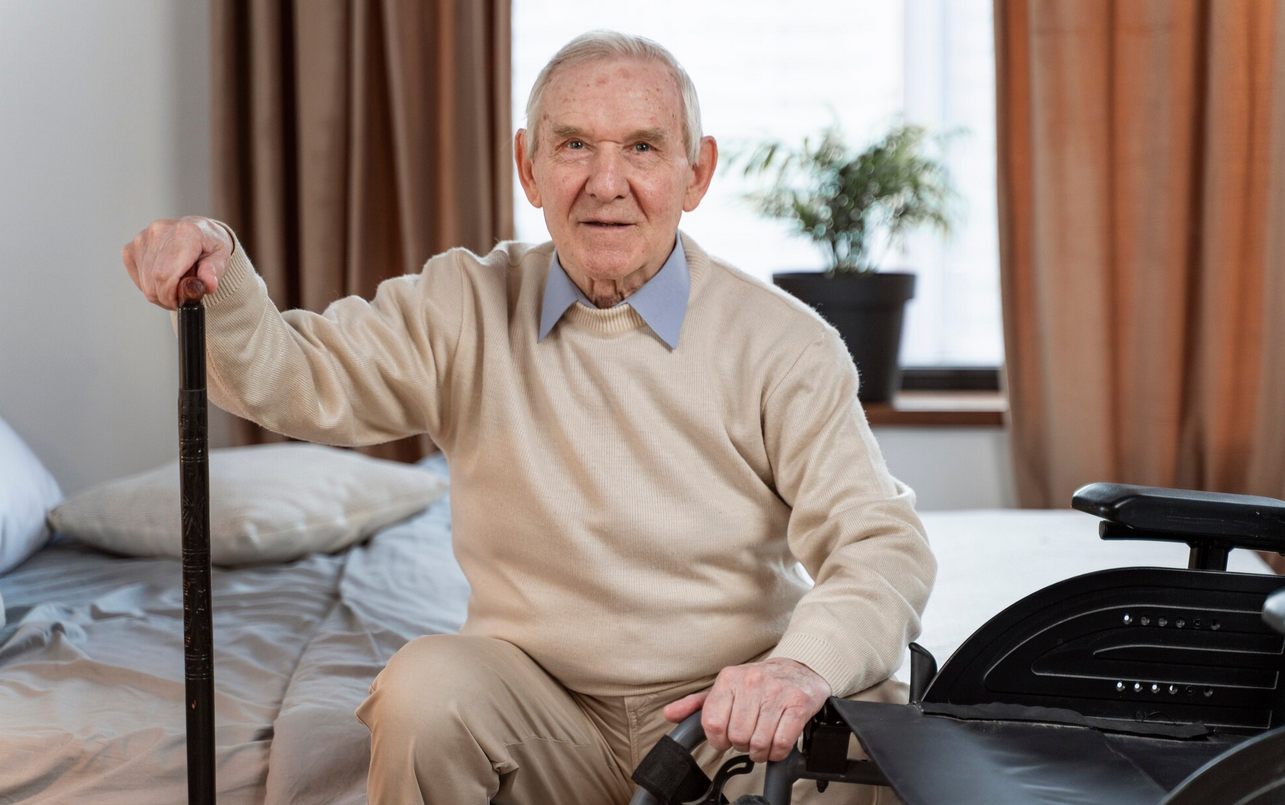
Making your home safe is crucial for preventing falls and maintaining independence. This comprehensive guide provides room-by-room safety checks, practical modifications, and expert advice to create a safer home environment.
Why home safety matters
Fall statistics
- 1 in 3 people over 65 fall annually
- Most falls happen at home
- Falls are leading cause of injury
- Can lead to loss of independence
- Many falls are preventable
- Simple changes make big difference
Benefits of home assessment
- Identifies hazards
- Prevents falls
- Maintains independence
- Provides peace of mind
- Enables aging in place
- Reduces injury risk
General home safety principles
Lighting
- Bright, even lighting throughout
- Light switches at room entrances
- Night lights in bedroom, bathroom, hallway
- No dark areas
- Replace dim bulbs
- Consider motion-sensor lights
Flooring
- Remove loose rugs
- Secure edges of carpets
- Non-slip flooring
- No clutter on floors
- Repair uneven surfaces
- Avoid high-gloss finishes
Clutter
- Clear pathways
- Remove obstacles
- Tidy trailing wires
- Store items safely
- Keep frequently used items accessible
Room-by-room assessment
Entrance and hallways
Hazards to address
- Poor lighting
- Loose rugs
- Clutter
- Uneven flooring
- No handrail
Safety improvements
- Bright lighting
- Light switch at entrance
- Remove mats or secure firmly
- Clear pathways
- Handrail if needed
- Non-slip flooring
- Contrasting step edges
Living room
Hazards
- Low furniture
- Trailing wires
- Clutter
- Poor lighting
- Unstable furniture
Improvements
- Stable, appropriate height furniture
- Secure wires along walls
- Good lighting
- Clear floor space
- Remote controls accessible
- Phone within reach
- Firm, supportive seating
Kitchen
Hazards
- Wet floors
- High shelves
- Poor lighting
- Clutter
- Unstable step stools
Improvements
- Wipe spills immediately
- Non-slip mats
- Frequently used items at waist height
- Good task lighting
- Stable step stool with handrail
- Perching stool for tasks
- Easy-grip utensils
Bathroom
Hazards
- Wet, slippery surfaces
- No grab rails
- High bath sides
- Low toilet
- Poor lighting
Improvements
- Non-slip bath mat
- Grab rails by toilet and bath/shower
- Raised toilet seat
- Shower seat or bath board
- Good lighting
- Night light
- Non-slip floor
- Remove bath mats (trip hazard)
Bedroom
Hazards
- Poor lighting
- Low bed
- Clutter
- Loose rugs
- Trailing wires
Improvements
- Bedside lamp within reach
- Night light to bathroom
- Appropriate bed height
- Clear path to bathroom
- Phone by bed
- Firm mattress
- Bed rail if needed
Stairs
Hazards
- Poor lighting
- No handrails
- Worn carpet
- Clutter
- Unclear edges
Improvements
- Handrails both sides
- Good lighting top and bottom
- Light switches at both ends
- Secure carpet
- Contrasting edge strips
- Keep stairs clear
- Non-slip treads
Essential safety equipment
Grab rails
- By toilet
- In bath/shower
- On stairs if needed
- Professionally installed
- Correct height and position
- Regular checks
Raised toilet seat
- Makes sitting and standing easier
- Various heights available
- With or without arms
- Easy to fit
- Significant difference
Bath/shower aids
- Shower seat
- Bath board
- Bath lift
- Long-handled sponge
- Non-slip mat
Walking aids
- Walking stick
- Walking frame
- Rollator
- Correct type for needs
- Properly adjusted
- Used correctly
Personal alarm
- Worn at all times
- Easy to activate
- 24/7 monitoring
- Peace of mind
- Quick response
Technology solutions
Smart home devices
- Motion-sensor lights
- Voice-activated controls
- Smart doorbells
- Automated lighting
- Fall detection devices
Monitoring systems
- Activity monitors
- Bed sensors
- Door sensors
- Camera systems
- Remote monitoring
Outdoor safety
Garden and paths
- Even, non-slip surfaces
- Good lighting
- Handrails for steps
- Remove moss and algae
- Clear leaves promptly
- Avoid ice in winter
Entrance
- Well-lit
- Non-slip surface
- Handrail if steps
- Contrasting step edges
- Doorbell accessible
- Key safe if appropriate
Footwear
Safe footwear
- Well-fitting
- Non-slip soles
- Low heel
- Supportive
- Easy to put on
- Secure fastening
Avoid
- Slippers without backs
- Smooth-soled shoes
- High heels
- Loose-fitting
- Walking in socks
Medication management
Medication review
- Regular GP review
- Some medications increase fall risk
- Check side effects
- Dizziness or drowsiness
- Blood pressure effects
- Minimize if possible
Safe storage
- Organized system
- Easy to access
- Good lighting
- Dosette boxes helpful
- Clear labels
Emergency preparedness
Emergency plan
- Phone accessible
- Emergency numbers visible
- Personal alarm
- Neighbors informed
- Key safe for emergencies
- Medical information accessible
If you fall
- Stay calm
- Check for injury
- Call for help
- Try to reach phone
- Get to furniture if able
- Keep warm
- Don't panic
Professional assessment
Who can help
- Physiotherapist
- Occupational therapist
- Falls prevention service
- Local authority
- Private companies
What they provide
- Comprehensive assessment
- Personalized recommendations
- Equipment advice
- Installation guidance
- Follow-up support
- Funding information
The role of physiotherapy
Falls Prevention Advice & Exercises provides:
- Home safety assessment
- Fall risk evaluation
- Personalized recommendations
- Equipment advice
- Balance training
- Strength exercises
- Confidence building
- Ongoing support
The bottom line
Creating a safe home requires:
- Thorough room-by-room assessment
- Good lighting throughout
- Removing trip hazards
- Installing grab rails
- Appropriate equipment
- Regular reviews
- Professional guidance
- Ongoing vigilance
A safe home environment is fundamental to preventing falls and maintaining independence. Simple modifications can make a huge difference. Don't wait for a fall—be proactive about home safety.
Need a home safety assessment?
Our Falls Prevention Advice & Exercises service includes comprehensive home safety assessments. We identify hazards, provide practical recommendations, and help you create a safer home environment.
Get in touch Learn about Falls Prevention Advice & Exercises

About Lizzie Thornton
Lizzie Thornton is a specialist community physiotherapist with over 15 years of experience in falls prevention and home safety. She is HCPC registered and a member of the Chartered Society of Physiotherapy. Lizzie provides physiotherapy across Staffordshire Moorlands and Cheshire East.