Long COVID Recovery: How Physiotherapy Can Help You Regain Your Strength
Published
Local Physiotherapist - Lizzie Thornton, Staffordshire Moorlands & Cheshire East

Long COVID affects millions of people, causing ongoing symptoms long after the initial infection. If you're struggling with fatigue, breathlessness, or weakness months after COVID-19, physiotherapy can play a crucial role in your recovery.
What is long COVID?
Long COVID (also called post-COVID syndrome) refers to symptoms that continue for more than 12 weeks after COVID-19 infection. Common symptoms include:
- Extreme fatigue that doesn't improve with rest
- Breathlessness or difficulty breathing
- Muscle weakness and joint pain
- Difficulty concentrating ("brain fog")
- Dizziness and heart palpitations
- Reduced exercise tolerance
- Sleep problems
These symptoms can significantly impact daily life, making even simple tasks feel exhausting. The good news is that with the right support, most people do improve over time.
How physiotherapy helps with long COVID
Physiotherapy for long COVID focuses on gradually rebuilding your strength, stamina, and confidence while managing symptoms. It's not about pushing through — it's about pacing yourself and progressing safely.
Assessment and baseline
Your physiotherapist will start by understanding:
- Your current symptoms and how they affect you
- Your baseline activity level
- What triggers symptom flare-ups
- Your goals and priorities
- Any other health conditions
This helps create a personalized programme that starts at the right level for you.
Pacing and energy management
One of the most important aspects of long COVID recovery is learning to pace yourself. This means:
Breaking activities into smaller chunks: Instead of one long task, do several short bursts with rest breaks
Planning your day: Balance activity with rest, don't save everything for "good days"
Recognizing your limits: Stop before you're exhausted, not after
Avoiding boom-bust cycles: Don't overdo it on good days then crash
Graded exercise therapy
Graded exercise means starting with very gentle activity and slowly increasing over time. This might include:
- Short walks (even just 2-3 minutes initially)
- Gentle seated exercises
- Breathing exercises
- Light stretching
- Gradual strengthening as tolerated
The key is progressing slowly — typically increasing by just 10-20% per week, and only when you're ready.
Managing post-exertional malaise (PEM)
Many people with long COVID experience PEM — a worsening of symptoms after physical or mental activity. This can occur hours or even days after the activity.
Recognizing PEM
Signs you may be experiencing PEM:
- Increased fatigue 12-48 hours after activity
- Worsening of other symptoms
- Feeling "wiped out" for days
- Difficulty recovering to your baseline
Managing PEM
If you experience PEM:
- Reduce your activity level until symptoms settle
- Return to your baseline and stay there for a few days
- When you progress again, take smaller steps
- Keep a symptom diary to identify triggers
- Don't push through — rest is productive
Breathing exercises for long COVID
Many people with long COVID experience breathlessness. These exercises can help:
Diaphragmatic breathing
- Sit or lie comfortably
- Place one hand on your chest, one on your belly
- Breathe in slowly through your nose, feeling your belly rise
- Breathe out slowly through your mouth
- Practice for 5-10 minutes, 2-3 times daily
Pursed lip breathing
- Breathe in slowly through your nose
- Purse your lips as if blowing out a candle
- Breathe out slowly through pursed lips (twice as long as the in-breath)
- Use when breathless or during activity
Building strength gradually
Muscle weakness is common after COVID-19, especially if you've been less active. Start with gentle exercises:
Week 1-2: Seated exercises
Ankle circles: 10 each direction, both feet
Knee lifts: Lift one knee, hold 3 seconds, 5 reps each leg
Arm raises: Lift arms forward and up, 5-10 reps
Shoulder rolls: Roll shoulders backwards, 10 reps
Week 3-4: Standing exercises (if tolerated)
Sit-to-stand: From a chair, 3-5 reps
Heel raises: Rise up on toes, 5-10 reps
Marching on spot: 10-20 steps
Side steps: 5 steps each direction
Important: Only progress if you're tolerating current exercises without symptom flare-ups.
Walking programme for long COVID
Walking is excellent for rebuilding stamina, but start very gently:
Starting point
- Begin with what you can comfortably manage (even 2-3 minutes)
- Walk at a pace where you can talk comfortably
- Stay close to home initially
- Walk on flat, even surfaces
Progression
- Increase duration by 1-2 minutes per week (or slower if needed)
- Only increase when you've managed the current level for a full week without issues
- If symptoms worsen, drop back to previous level
- Aim for daily walks, but rest days are fine
When to seek professional help
Consider professional physiotherapy support if you:
- Are unsure where to start with exercise
- Keep experiencing symptom flare-ups
- Aren't making progress on your own
- Feel anxious about exercising
- Want personalized guidance and support
- Need help with pacing and energy management
Home physiotherapy allows for assessment in your own environment and exercises tailored to your specific symptoms and living situation.
Recovery timeline
Recovery from long COVID varies greatly between individuals. Some people improve within a few months, while others take longer. Research suggests:
- Most people see gradual improvement over 6-12 months
- Progress is often non-linear (ups and downs are normal)
- Consistent pacing and gradual exercise help
- Full recovery is possible, though it takes patience
Other strategies that help
Alongside physiotherapy, these strategies can support your recovery:
- Sleep hygiene: Prioritize good sleep habits
- Nutrition: Eat a balanced diet with adequate protein
- Hydration: Drink plenty of water
- Stress management: Practice relaxation techniques
- Social support: Stay connected with others
- Symptom tracking: Keep a diary to identify patterns
Red flags: When to seek medical attention
Contact your GP or seek urgent medical help if you experience:
- Severe chest pain or pressure
- Severe breathlessness at rest
- Confusion or difficulty staying awake
- Coughing up blood
- Sudden worsening of symptoms
- High fever that won't come down
The bottom line
Recovering from long COVID takes time, patience, and a careful approach to rebuilding your strength and stamina. The key principles are:
- Start at your current level, not where you used to be
- Progress slowly and consistently
- Listen to your body and rest when needed
- Pace yourself to avoid symptom flare-ups
- Seek professional support if you're struggling
With the right approach, most people with long COVID do improve over time. Be patient with yourself — recovery is a journey, not a race.
Get support with your recovery
If you're struggling with long COVID and want expert guidance on rebuilding your strength safely, we can help. Our home physiotherapy service provides personalized rehabilitation programmes with careful pacing and symptom management.
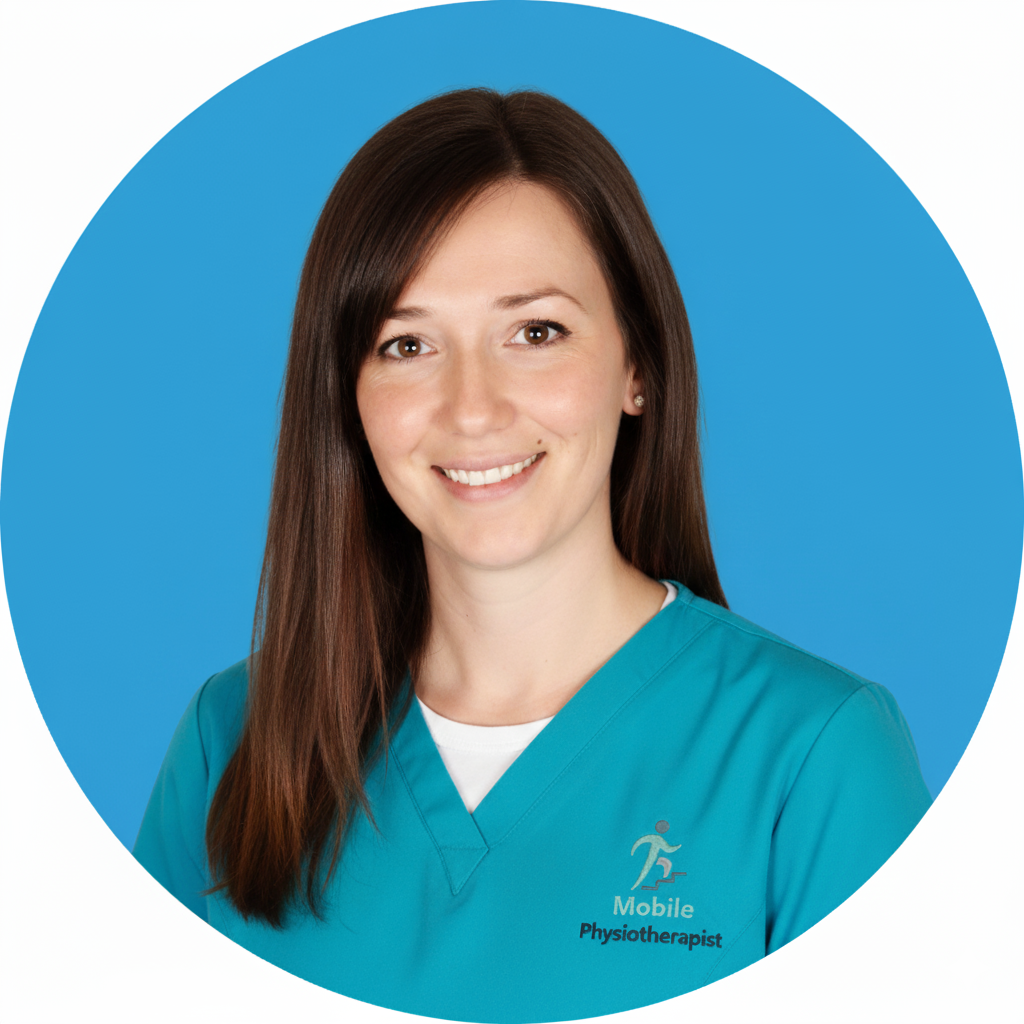
About Lizzie Thornton
Lizzie Thornton is a specialist community physiotherapist with over 15 years of experience. She is HCPC registered and a member of the Chartered Society of Physiotherapy. Lizzie provides home physiotherapy visits across Staffordshire Moorlands and Cheshire East, specializing in post-illness recovery, elderly rehabilitation, and helping people regain their strength and independence.