Lower Back Pain Exercises for Relief at Home
Published
Local Physiotherapist - Lizzie Thornton, Staffordshire Moorlands & Cheshire East
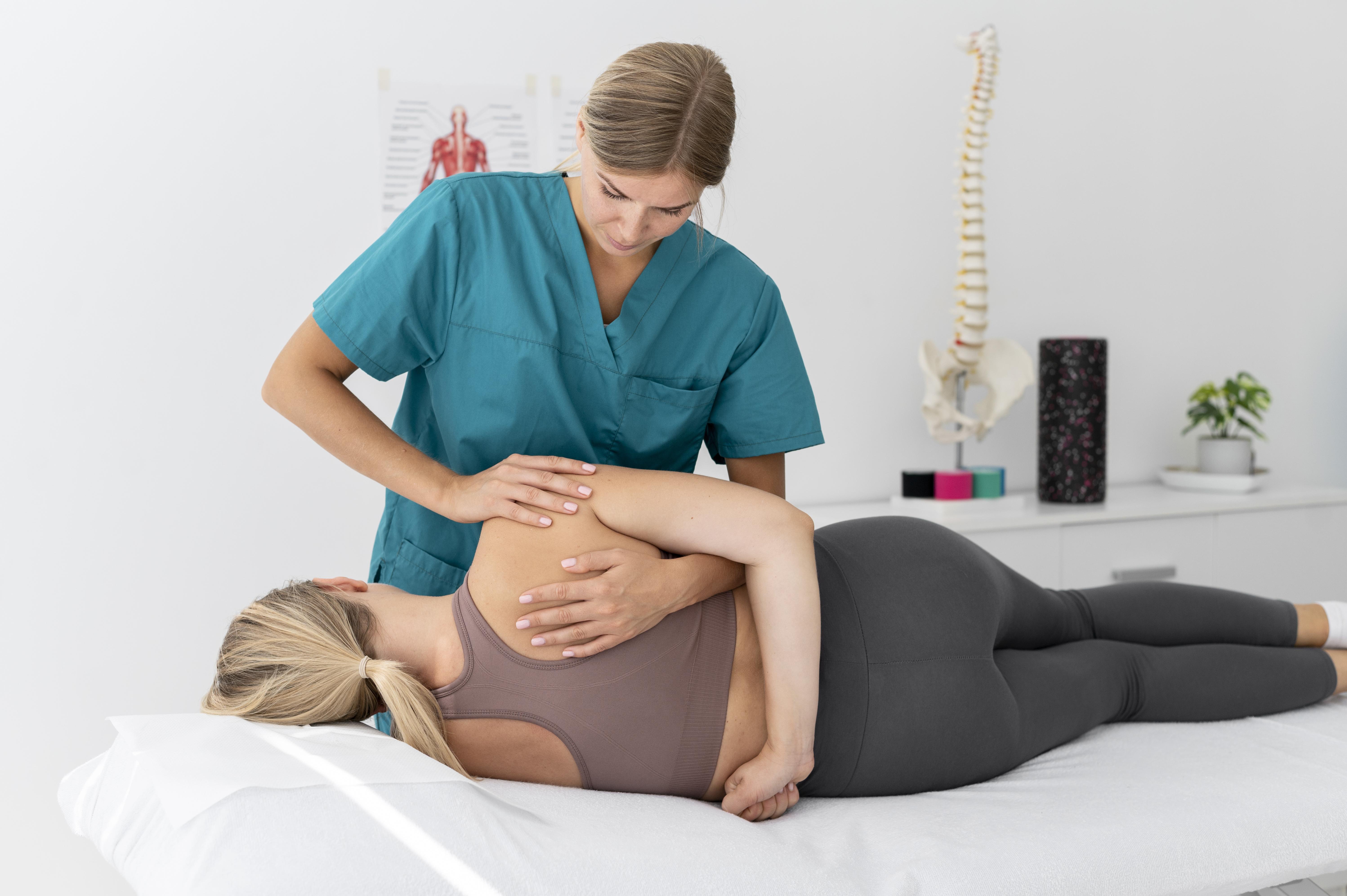
Lower back pain affects most people at some point, but the right exercises can provide significant relief. This evidence-based programme helps reduce pain, improve flexibility, and strengthen your back to prevent future problems.
Understanding lower back pain
Most lower back pain is non-specific, meaning there is no serious underlying cause. Common triggers include:
- Poor posture
- Muscle strain or spasm
- Prolonged sitting or standing
- Lifting incorrectly
- Lack of movement
- Stress and tension
- Weak core muscles
When to exercise
Exercise is safe and beneficial for most back pain. You should exercise if:
- Pain has been present for more than a few days
- Pain is improving or stable
- You can move without severe pain
- You have no red flag symptoms (see below)
Red flags: When to see a doctor first
Seek medical advice before exercising if you have:
- Severe pain that is getting worse
- Numbness or tingling in both legs
- Difficulty controlling bladder or bowels
- Unexplained weight loss
- History of cancer
- Fever with back pain
- Recent significant trauma
Exercise principles for back pain
- Start gently: Begin with easier exercises
- Move within comfort: Some discomfort is OK, sharp pain is not
- Be consistent: Daily exercise is more effective than occasional
- Progress gradually: Increase difficulty slowly
- Stay active: Bed rest makes back pain worse
Gentle mobility exercises
These reduce stiffness and improve movement.
1. Pelvic tilts
Purpose: Gentle lower back movement
How to do it:
- Lie on back, knees bent, feet flat
- Flatten lower back against floor by tilting pelvis
- Hold 5 seconds
- Relax to neutral
- Repeat 10 times
2. Knee to chest
Purpose: Stretch lower back
How to do it:
- Lie on back, knees bent
- Bring one knee towards chest
- Hold behind thigh
- Hold 20-30 seconds
- Repeat 3 times each leg
3. Cat-cow stretch
Purpose: Mobilize entire spine
How to do it:
- Start on hands and knees
- Arch back up (cat), hold 3 seconds
- Let back sag down (cow), hold 3 seconds
- Repeat 10 times slowly
4. Lumbar rotation
Purpose: Improve spinal rotation
How to do it:
- Lie on back, knees bent together
- Keep shoulders flat
- Let knees fall gently to one side
- Hold 10-20 seconds
- Return to center
- Repeat other side
- Do 5 times each side
5. Child's pose
Purpose: Gentle stretch for lower back
How to do it:
- Kneel on floor
- Sit back on heels
- Reach arms forward, forehead to floor
- Hold 30-60 seconds
- Breathe deeply
- Repeat 3 times
Core strengthening exercises
A strong core supports and protects your back.
6. Abdominal bracing
Purpose: Activate deep core muscles
How to do it:
- Lie on back, knees bent
- Tighten stomach muscles (like bracing for a punch)
- Do not hold breath
- Hold 10 seconds
- Repeat 10 times
7. Dead bug
Purpose: Core stability
How to do it:
- Lie on back, arms straight up
- Knees bent at 90 degrees
- Lower one arm overhead and opposite leg down
- Keep back flat on floor
- Return to start
- Alternate sides, 10 reps each
8. Bridge
Purpose: Strengthen glutes and lower back
How to do it:
- Lie on back, knees bent, feet flat
- Lift hips off floor
- Form straight line from knees to shoulders
- Hold 5-10 seconds
- Lower slowly
- Repeat 10 times
9. Bird dog
Purpose: Back and core stability
How to do it:
- Start on hands and knees
- Extend one arm forward and opposite leg back
- Keep back level
- Hold 5-10 seconds
- Return to start
- Alternate sides, 10 reps each
10. Plank (modified)
Purpose: Overall core strength
How to do it:
- Start on forearms and knees
- Keep body straight from head to knees
- Hold 10-30 seconds
- Rest
- Repeat 3 times
Progression: Advance to full plank on toes when ready.
Flexibility exercises
11. Hamstring stretch
Purpose: Tight hamstrings contribute to back pain
How to do it:
- Lie on back
- Lift one leg, keep knee straight
- Hold behind thigh or use towel
- Pull gently towards you
- Hold 30 seconds
- Repeat 3 times each leg
12. Hip flexor stretch
Purpose: Tight hip flexors pull on lower back
How to do it:
- Kneel on one knee (use cushion)
- Other foot forward, knee bent
- Push hips forward gently
- Feel stretch in front of back hip
- Hold 30 seconds
- Repeat 3 times each side
Sample daily routine
Morning routine (10 minutes)
Focus: Mobility and gentle movement
- Pelvic tilts: 10 reps
- Knee to chest: 3 reps each leg
- Cat-cow: 10 reps
- Lumbar rotation: 5 each side
- Child's pose: 3 reps
Evening routine (15 minutes)
Focus: Strengthening and stretching
- Abdominal bracing: 10 reps
- Bridge: 10 reps
- Dead bug: 10 reps each side
- Bird dog: 10 reps each side
- Hamstring stretch: 3 reps each leg
- Hip flexor stretch: 3 reps each side
Managing pain during exercise
What is normal
- Mild discomfort or stretching sensation
- Temporary increase in symptoms that settles within 2 hours
- Muscle soreness the next day (like after any exercise)
When to stop or modify
- Sharp, severe pain
- Pain radiating down leg
- Numbness or tingling
- Pain that does not settle within 2 hours
- Symptoms getting progressively worse
Complementary strategies
Heat and cold therapy
- Heat: Use before exercise for stiffness (heat pack, warm shower)
- Cold: Use after exercise if sore (ice pack, 15-20 minutes)
Posture awareness
- Sit with good lumbar support
- Take regular breaks from sitting
- Avoid slouching
- Use ergonomic workstation setup
Activity modification
- Lift with bent knees, not back
- Avoid twisting while lifting
- Push rather than pull heavy items
- Sleep on side with pillow between knees
Stay active
- Walk regularly (start with 10 minutes)
- Swimming or water exercise
- Cycling
- Avoid prolonged bed rest
Progression guidelines
Progress your exercises when:
- Current exercises feel comfortable
- Pain is reducing
- You can do daily activities more easily
- You have been at current level for 1-2 weeks
Ways to progress
- Increase repetitions
- Hold positions longer
- Try more challenging variations
- Add resistance
- Reduce support
When to seek professional help
Consider specialist lower back pain physiotherapy if:
- Pain not improving after 2-3 weeks of exercise
- Unsure which exercises are safe
- Pain is severe or worsening
- Recurring back pain episodes
- Need personalized assessment and programme
- Want hands-on treatment
Common mistakes to avoid
- Doing too much too soon: Start gently, build gradually
- Stopping when it hurts a bit: Some discomfort is normal
- Inconsistency: Daily exercise is key
- Poor technique: Quality over quantity
- Resting completely: Movement helps recovery
- Ignoring posture: Good posture supports recovery
Realistic expectations
Timeline for improvement
- Week 1: May feel slightly worse as you start moving more
- Weeks 2-4: Gradual improvement in pain and function
- Weeks 4-8: Significant improvement for most people
- Ongoing: Continue exercises to prevent recurrence
What to expect
- Most back pain improves within 4-6 weeks
- Some good days and bad days are normal
- Flare-ups can occur but usually settle quickly
- Ongoing exercise prevents recurrence
Long-term back health
Prevent future episodes by:
- Continuing core strengthening exercises
- Staying generally active
- Maintaining good posture
- Managing stress
- Maintaining healthy weight
- Lifting correctly
- Taking regular breaks from sitting
The bottom line
Exercise is one of the most effective treatments for lower back pain. Key principles:
- Start with gentle mobility exercises
- Progress to core strengthening
- Include flexibility work
- Exercise daily for best results
- Some discomfort is normal, sharp pain is not
- Stay active — avoid bed rest
- Be patient and consistent
With the right exercises and approach, most people experience significant improvement in back pain and can return to normal activities.
Need expert guidance for back pain?
Our physiotherapy service provides personalized back pain programmes delivered in your home. We assess your specific problem, teach you the right exercises, and help you recover safely and effectively.

About Lizzie Thornton
Lizzie Thornton is a specialist community physiotherapist with over 15 years of experience treating back and neck pain. She is HCPC registered and a member of the Chartered Society of Physiotherapy. Lizzie provides home physiotherapy visits across Staffordshire Moorlands and Cheshire East, helping people recover from back pain and prevent recurrence.