Mobility Aids for the Elderly: Choosing and Using Safely
Published
Local Physiotherapist - Lizzie Thornton, Staffordshire Moorlands & Cheshire East
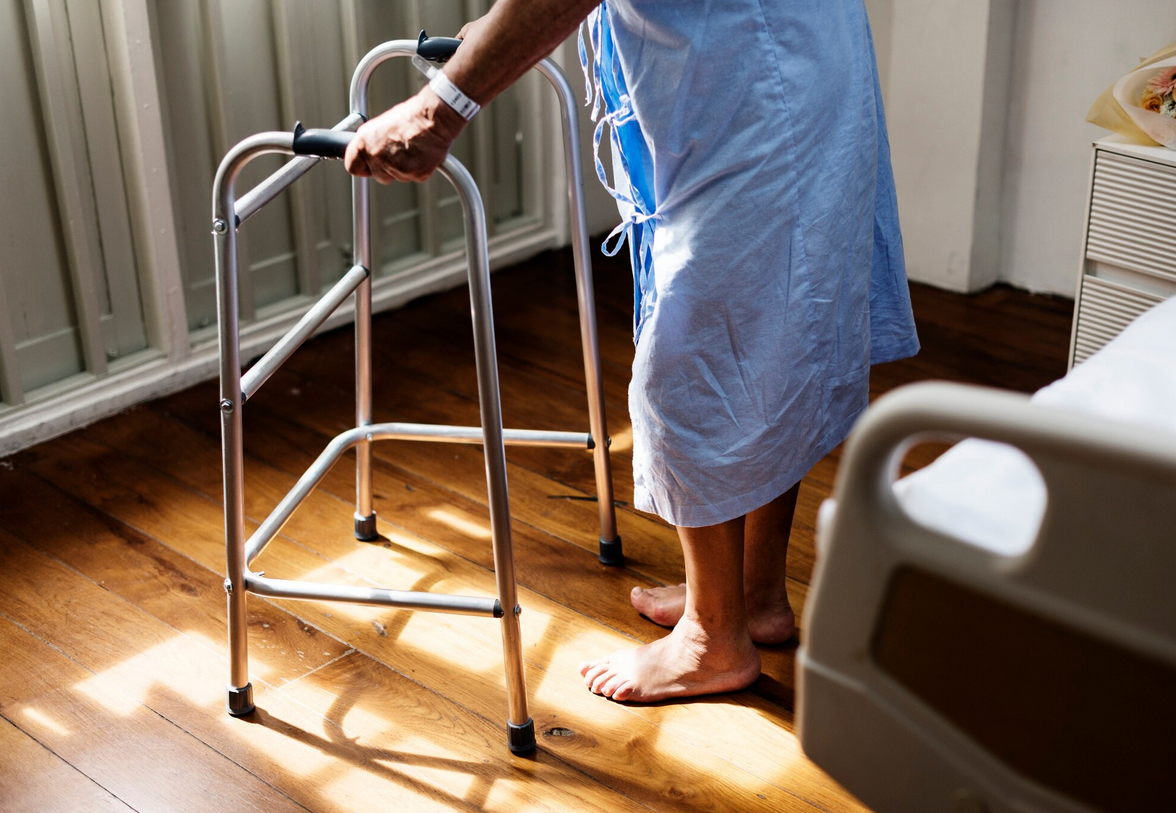
The right mobility aid can be life-changing, helping older adults stay active, independent, and safe. This comprehensive guide covers choosing, using, and maintaining mobility aids to support independence in later life.
Benefits of using mobility aids
- Improved safety and reduced fall risk
- Increased confidence
- Greater independence
- Ability to walk further
- Reduced pain when walking
- Maintained social activities
- Better quality of life
When to consider a mobility aid
Signs you might benefit
- Unsteady when walking
- Fear of falling
- Pain when walking
- Breathlessness with short distances
- Avoiding going out
- Holding onto furniture at home
- Recent falls
- Fatigue limiting activity
Types of mobility aids
Walking sticks
Best for: Mild balance problems or pain on one side
Pros:
- Lightweight and portable
- Easy to use
- Can use on stairs
- Folds for storage
Cons:
- Limited support
- Requires good arm strength
- Not suitable for severe balance problems
Walking frames (Zimmer frames)
Best for: Significant balance problems or weakness
Pros:
- Very stable
- Good support
- Suitable for severe balance problems
Cons:
- Slow walking speed
- Must be lifted with each step
- Difficult outdoors
- Cannot use on stairs
Rollators (wheeled walkers)
Best for: Moderate balance problems, fatigue, or longer distances
Pros:
- Faster walking speed
- Includes seat for resting
- Storage basket
- Good for outdoors
- Folds for transport
Cons:
- Less stable than pick-up frame
- Can roll away if not controlled
- Requires hand brakes
- Bulkier than stick
Wheelchairs
Best for: Unable to walk or very limited walking ability
Types:
- Manual: Pushed by user or carer
- Electric: Battery powered
- Transit: Pushed by carer only
Choosing the right aid
Consider your needs
- Balance and stability
- Strength and endurance
- Where you will use it (indoors/outdoors)
- Distance you need to walk
- Need to carry items
- Storage and transport
- Stairs in your home
Professional assessment
Elderly Rehabilitation & Exercise ensures:
- Right type for your needs
- Correct height and fit
- Proper technique training
- Safety considerations
- Review as needs change
Correct height adjustment
For walking sticks
- Stand upright in usual shoes
- Arms hanging naturally
- Top of stick at wrist crease
- Elbow slightly bent when holding
For frames and rollators
- Stand upright inside frame
- Handles at wrist height
- Elbows slightly bent
- No stooping or reaching up
Using mobility aids safely
Walking stick technique
- Hold in opposite hand to weak leg
- Move stick forward with weak leg
- Take equal-sized steps
- Look ahead, not down
- Keep stick close to body
Walking frame technique
- Stand upright inside frame
- Lift and place frame forward
- Step with weaker leg first
- Bring stronger leg to meet it
- Do not step too far into frame
Rollator technique
- Stand upright, not leaning forward
- Keep rollator close to body
- Walk inside frame, not behind
- Use brakes when stopping
- Sit on seat when resting
Managing stairs
With a walking stick
Going up: Good leg, then stick and weak leg
Going down: Stick and weak leg, then good leg
Remember: "Up with the good, down with the bad"
With a frame
Frames cannot be used on stairs. Options:
- Use walking stick for stairs
- Have second frame upstairs
- Use handrail only
- Consider stairlift
Common mistakes to avoid
- Wrong height: Causes poor posture and pain
- Wrong hand for stick: Should be opposite to weak leg
- Walking behind rollator: Increases fall risk
- Not using brakes: Rollator can roll away
- Worn ferrules: Rubber tips must be replaced
- Using when not needed: Can weaken muscles
- Poor technique: Reduces effectiveness and safety
Maintenance and safety
Regular checks
- Ferrules: Replace when worn or split
- Height: Check has not slipped
- Brakes: Test regularly on rollators
- Wheels: Check for wear
- Frame: Look for cracks or damage
- Handles: Ensure secure
Cleaning
- Wipe down regularly
- Clean wheels and ferrules
- Check for debris
- Keep in good condition
Using aids in different environments
At home
- Remove trip hazards
- Ensure good lighting
- Clear pathways
- Secure rugs
- Consider grab rails
Outdoors
- Check weather conditions
- Avoid wet or icy surfaces
- Use appropriate aid (rollator better outdoors)
- Plan route with rest stops
- Wear appropriate footwear
In public places
- Use lifts instead of escalators
- Ask for assistance if needed
- Take your time
- Use disabled facilities
- Plan ahead
Overcoming stigma
Common concerns
- "I will look old"
- "People will think I am weak"
- "It means I am giving up"
- "I do not want to be dependent"
Reframing thoughts
- Aids enable independence, not dependence
- They keep you safe and active
- Allow you to do more, not less
- Smart choice for maintaining quality of life
- Many active people use aids
Progression and review
When to progress to more support
- Feeling unsteady despite current aid
- Falls or near-falls
- Avoiding activities due to safety concerns
- Pain or fatigue with current aid
When you might need less support
- Feeling very stable
- Not really leaning on aid
- Improved strength and balance
- Increased confidence
Funding and obtaining aids
NHS provision
- Available through physiotherapy/OT
- Usually basic models
- May be second-hand
- Free of charge
- Can take time to arrange
Private purchase
- Pharmacies and mobility shops
- Online retailers
- More choice
- Immediate availability
- Cost varies (£15-£200+)
Hire or loan
- British Red Cross loan service
- Short-term hire
- Try before buying
- Good for temporary needs
Additional equipment
Accessories
- Walking stick holders
- Bags for rollators
- Lights for outdoor use
- Weather covers
- Cushions for rollator seats
Home adaptations
- Grab rails
- Ramps
- Stairlifts
- Through-floor lifts
- Widened doorways
The bottom line
Using mobility aids successfully involves:
- Choosing the right type for your needs
- Correct height adjustment
- Learning proper technique
- Regular maintenance
- Using consistently
- Reviewing as needs change
- Seeing aids as tools for independence
The right mobility aid, properly used, can significantly improve your safety, confidence, and quality of life. Do not let pride or stigma prevent you from using aids that could help you stay active and independent.
Need help choosing a mobility aid?
Our Elderly Rehabilitation & Exercise service includes mobility assessment, advice on the most appropriate aid, correct fitting and adjustment, and training in safe use. We help you find the right solution for your needs.

About Lizzie Thornton
Lizzie Thornton is a specialist community physiotherapist with over 15 years of experience in elderly mobility and rehabilitation. She is HCPC registered and a member of the Chartered Society of Physiotherapy. Lizzie provides home physiotherapy visits across Staffordshire Moorlands and Cheshire East, helping older adults choose and use mobility aids safely.