Sciatica Exercises for Leg Pain Relief at Home
Published
Local Physiotherapist - Lizzie Thornton, Staffordshire Moorlands & Cheshire East
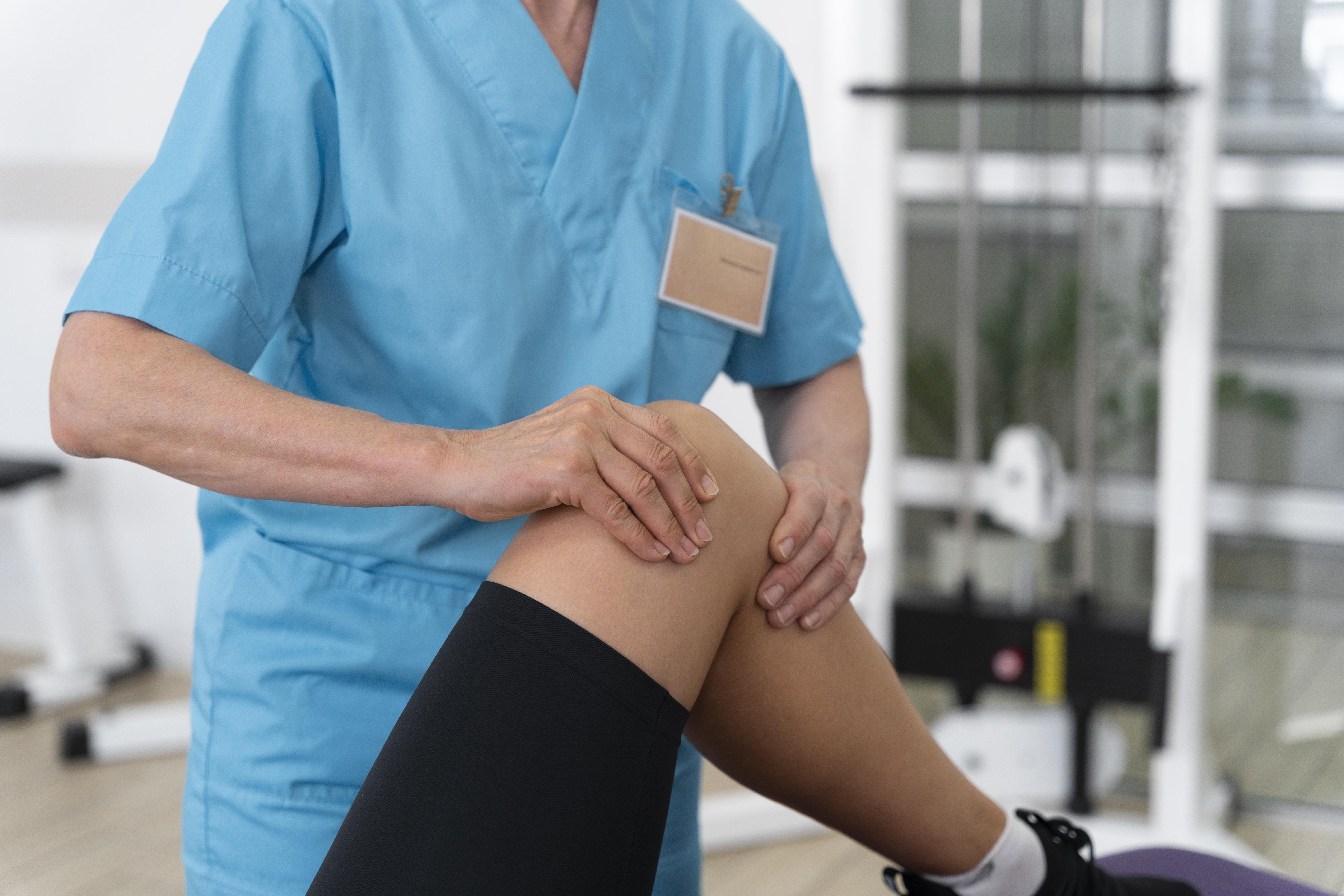
Sciatica causes pain radiating from the lower back down the leg, often accompanied by numbness or tingling. The right exercises can significantly reduce symptoms and speed recovery. This guide provides evidence-based exercises you can do safely at home.
Understanding sciatica
Sciatica is not a diagnosis but a symptom of sciatic nerve irritation. Common causes include:
- Disc bulge or herniation: Most common cause
- Spinal stenosis: Narrowing of spinal canal
- Piriformis syndrome: Muscle compressing nerve
- Degenerative disc disease: Age-related changes
- Spondylolisthesis: Vertebra slipping forward
Typical symptoms
- Pain radiating from lower back down back of leg
- Usually affects one leg
- Numbness or tingling in leg or foot
- Weakness in affected leg
- Pain worsens with sitting, coughing, or sneezing
- Burning or electric shock sensations
When to exercise
Exercise is beneficial for most sciatica, but timing and type matter.
Safe to exercise if
- Pain is improving or stable
- No severe weakness
- Can move without severe pain
- No red flag symptoms
Red flags: Seek urgent medical help
- Loss of bladder or bowel control
- Numbness in saddle area (between legs)
- Weakness in both legs
- Severe or rapidly worsening symptoms
- Difficulty walking
Exercise principles for sciatica
- Start gently: Begin with easiest exercises
- Centralize pain: Exercises should move pain towards back, away from leg
- Avoid aggravating: Stop exercises that increase leg pain
- Be consistent: Regular exercise aids recovery
- Progress gradually: Increase difficulty as symptoms improve
Initial exercises (acute phase)
When pain is severe, start with these gentle movements.
1. Prone lying (lying on stomach)
Purpose: Gentle extension, may reduce disc pressure
How to do it:
- Lie face down on bed or floor
- Pillow under hips if more comfortable
- Arms by sides or under forehead
- Hold 5-10 minutes
- Repeat several times daily
Note: Stop if leg pain increases.
2. Prone press-ups (McKenzie extension)
Purpose: Spinal extension to reduce disc pressure
How to do it:
- Lie face down
- Place hands under shoulders
- Push upper body up, keeping hips on floor
- Hold 5 seconds
- Lower down
- Repeat 10 times, every 2-3 hours
Important: This should reduce leg pain. If leg pain increases, stop and try other exercises.
3. Pelvic tilts
Purpose: Gentle lower back movement
How to do it:
- Lie on back, knees bent
- Flatten lower back against floor
- Hold 5 seconds
- Relax
- Repeat 10 times
Nerve gliding exercises
These help the sciatic nerve move more freely.
4. Sciatic nerve floss (lying)
Purpose: Improve nerve mobility
How to do it:
- Lie on back
- Bend one knee to chest
- Straighten knee, pointing toes towards you
- Bend knee again
- Repeat 10 times slowly
- Do 2-3 times daily
Note: Should feel gentle stretch, not sharp pain.
5. Seated sciatic nerve glide
Purpose: Nerve mobility in functional position
How to do it:
- Sit on edge of chair
- Straighten affected leg
- Point toes up
- At same time, look up
- Then point toes down and look down
- Repeat 10 times
Stretching exercises
6. Knee to opposite shoulder
Purpose: Stretch piriformis muscle
How to do it:
- Lie on back
- Bend affected leg
- Pull knee towards opposite shoulder
- Hold 30 seconds
- Repeat 3 times
7. Piriformis stretch (figure 4)
Purpose: Deep glute stretch
How to do it:
- Lie on back, knees bent
- Cross affected ankle over opposite knee
- Pull unaffected thigh towards chest
- Hold 30 seconds
- Repeat 3 times
8. Hamstring stretch
Purpose: Reduce tension on sciatic nerve
How to do it:
- Lie on back
- Lift affected leg, keep knee straight
- Hold behind thigh or use towel
- Pull gently towards you
- Hold 30 seconds
- Repeat 3 times
Strengthening exercises (recovery phase)
Add these as pain improves.
9. Bridge
Purpose: Strengthen glutes and lower back
How to do it:
- Lie on back, knees bent
- Lift hips off floor
- Form straight line from knees to shoulders
- Hold 5-10 seconds
- Lower slowly
- Repeat 10 times
10. Bird dog
Purpose: Core and back stability
How to do it:
- Start on hands and knees
- Extend opposite arm and leg
- Keep back level
- Hold 5-10 seconds
- Alternate sides
- 10 reps each side
11. Clamshells
Purpose: Strengthen hip muscles
How to do it:
- Lie on side, knees bent
- Keep feet together
- Lift top knee, opening legs like clamshell
- Hold 3 seconds
- Lower slowly
- Repeat 10 times each side
12. Abdominal bracing
Purpose: Core stability
How to do it:
- Lie on back or sit
- Tighten stomach muscles
- Do not hold breath
- Hold 10 seconds
- Repeat 10 times
Sample progression programme
Week 1-2: Acute phase
- Prone lying: 5-10 minutes, 3 times daily
- Prone press-ups: 10 reps, every 2-3 hours
- Pelvic tilts: 10 reps, twice daily
- Gentle walking: 5-10 minutes as tolerated
Week 3-4: Improving phase
- Continue prone press-ups: 10 reps, 3 times daily
- Add nerve glides: 10 reps, twice daily
- Knee to opposite shoulder: 3 reps, twice daily
- Piriformis stretch: 3 reps, twice daily
- Walking: Increase to 15-20 minutes
Week 5-8: Recovery phase
- Continue stretches daily
- Add strengthening: Bridge, bird dog, clamshells
- Core exercises: Abdominal bracing
- Walking: 20-30 minutes daily
- Gradually return to normal activities
Activities to avoid
During acute phase, avoid:
- Prolonged sitting (take breaks every 20-30 minutes)
- Forward bending exercises (toe touches)
- Heavy lifting
- Twisting movements
- High-impact activities (running, jumping)
- Activities that increase leg pain
Positions for pain relief
Lying positions
- On back: Pillow under knees
- On side: Pillow between knees
- On stomach: Pillow under hips (if comfortable)
Sitting
- Use lumbar support
- Sit back in chair
- Feet flat on floor
- Take frequent breaks
- Avoid soft, low chairs
Walking for sciatica
Walking is excellent for sciatica recovery:
- Start with short distances (5-10 minutes)
- Walk on level ground
- Maintain good posture
- Gradually increase duration
- Stop if leg pain increases significantly
- Aim for 20-30 minutes daily as symptoms improve
When to seek professional help
Consider specialist back and neck physiotherapy if:
- Pain not improving after 2-3 weeks
- Unsure which exercises are safe
- Symptoms worsening
- Significant weakness developing
- Need personalized assessment
- Want hands-on treatment
- Recurring sciatica episodes
Medical treatments
Alongside exercise, your GP may recommend:
- Pain relief: Paracetamol, NSAIDs
- Neuropathic pain medication: Gabapentin, amitriptyline
- Muscle relaxants: For muscle spasm
- Steroid injections: If severe and not improving
- Surgery: Rarely needed, only if severe or not improving
Realistic recovery timeline
- Week 1-2: Acute pain, focus on pain relief and gentle movement
- Week 3-6: Gradual improvement, add more exercises
- Week 6-12: Significant improvement for most people
- 3-6 months: Full recovery typical
Note: 80-90% of people recover with conservative treatment within 6-12 weeks.
Preventing recurrence
- Continue core strengthening exercises
- Maintain good posture
- Lift correctly (bend knees, not back)
- Take regular breaks from sitting
- Stay generally active
- Maintain healthy weight
- Address problems early
The bottom line
Managing sciatica effectively involves:
- Starting with gentle extension exercises
- Adding nerve glides as tolerated
- Stretching tight muscles
- Strengthening core and glutes as pain improves
- Walking regularly
- Avoiding aggravating activities initially
- Being patient — recovery takes weeks
Most people with sciatica recover well with appropriate exercise and activity modification. The key is consistency and gradual progression.
Need expert guidance for sciatica?
Our physiotherapy service provides personalized sciatica programmes with the right exercises for your specific symptoms. We help you recover safely and effectively with home visits across Staffordshire Moorlands and Cheshire East.

About Lizzie Thornton
Lizzie Thornton is a specialist community physiotherapist with over 15 years of experience treating sciatica and back pain. She is HCPC registered and a member of the Chartered Society of Physiotherapy. Lizzie provides home physiotherapy visits across Staffordshire Moorlands and Cheshire East, helping people recover from sciatica and prevent recurrence.