Strength Training for Older Adults: Safe and Effective Exercises
Published
Local Physiotherapist - Lizzie Thornton, Staffordshire Moorlands & Cheshire East
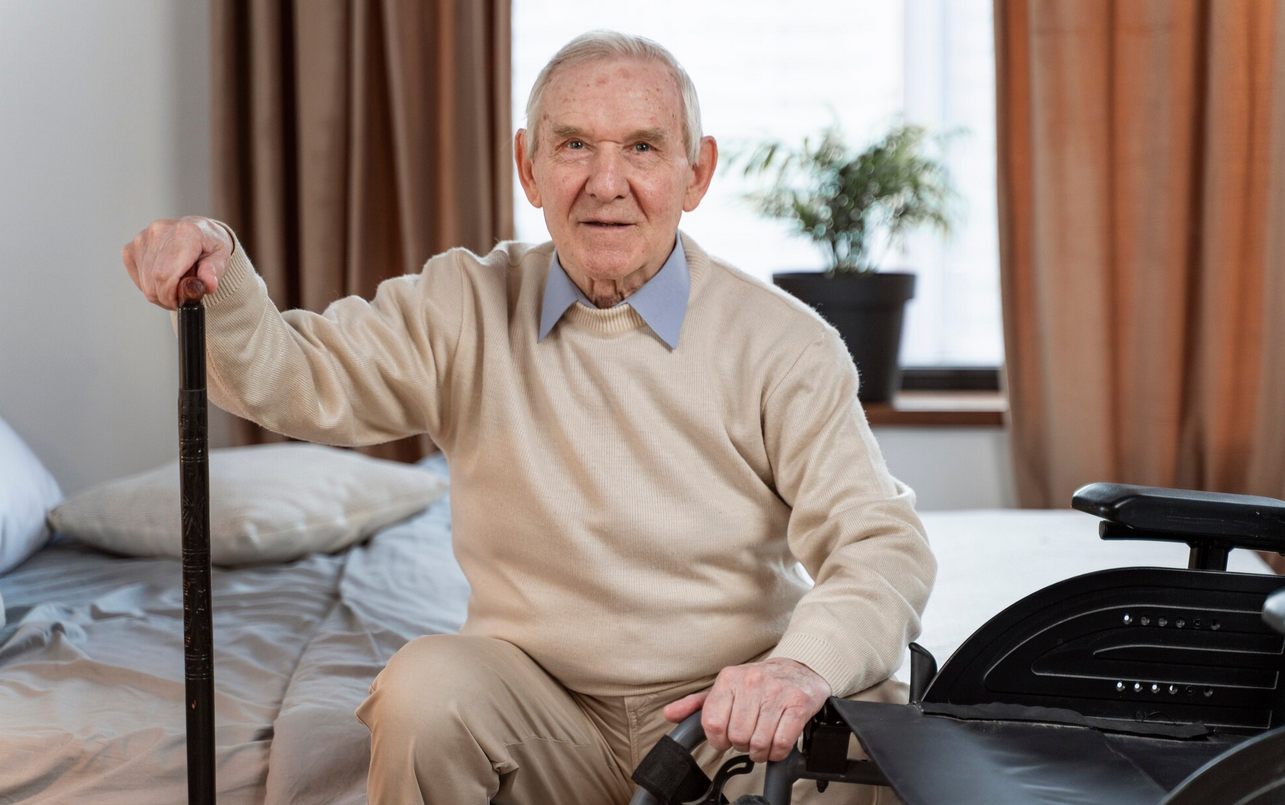
Strength training is one of the most important activities for older adults. It helps maintain muscle mass, prevents falls, preserves independence, and improves quality of life. This comprehensive guide covers safe and effective strength exercises you can do at home.
Why strength training matters
Age-related muscle loss
- Lose 3-8% muscle mass per decade after 30
- Accelerates after 60
- Called sarcopenia
- Leads to weakness and frailty
- Strength training can reverse this
Benefits of strength training
- Maintains muscle mass and strength
- Improves balance and reduces falls
- Preserves bone density
- Enhances functional ability
- Maintains independence
- Improves metabolism
- Better blood sugar control
- Reduces arthritis pain
- Improves mood and confidence
Getting started safely
Before you begin
- Check with GP if you have health conditions
- Start with body weight exercises
- Learn proper technique first
- Begin with light resistance
- Progress gradually
Equipment needed
- Sturdy chair
- Resistance bands (optional)
- Light dumbbells 1-3kg (optional)
- Water bottles can substitute for weights
- Comfortable clothing
- Supportive footwear
Basic principles
Frequency
- 2-3 times per week
- Allow 48 hours between sessions
- Muscles need recovery time
Repetitions and sets
- Start with 8-10 repetitions
- 1-2 sets initially
- Build to 10-15 reps, 2-3 sets
- Last few reps should feel challenging
Progression
- Increase reps before adding weight
- Progress every 2-4 weeks
- Small increments
- Listen to your body
Lower body exercises
Sit-to-stand
Strengthens thighs and improves functional ability
- Sit in sturdy chair
- Feet hip-width apart
- Lean forward slightly
- Push through heels to stand
- Slowly lower back down
- 10 reps, 2-3 sets
Progression: Use lower chair, hold weights, single leg
Mini squats
- Stand holding chair back
- Feet hip-width apart
- Bend knees slightly (quarter squat)
- Keep back straight
- Return to standing
- 10 reps, 2-3 sets
Progression: Deeper squat, less support, hold weights
Heel raises
Strengthens calves and improves balance
- Stand holding chair
- Rise up onto toes
- Hold 2-3 seconds
- Lower slowly
- 10-15 reps, 2-3 sets
Progression: Single leg, less support
Leg extensions
- Sit in chair
- Straighten one knee
- Hold 2-3 seconds
- Lower slowly
- 10 reps each leg, 2-3 sets
Progression: Add ankle weights
Hip abduction
Strengthens hip muscles for balance
- Stand holding chair
- Lift one leg out to side
- Keep toes forward
- Hold 2-3 seconds
- Lower slowly
- 10 reps each leg, 2-3 sets
Progression: Add resistance band
Upper body exercises
Wall press-ups
Strengthens chest, shoulders, arms
- Stand arm's length from wall
- Hands on wall, shoulder-width
- Bend elbows, lean towards wall
- Push back to start
- 10 reps, 2-3 sets
Progression: Hands lower on wall, kitchen counter
Bicep curls
- Stand or sit
- Hold weights (or water bottles)
- Arms by sides, palms forward
- Bend elbows, lift weights to shoulders
- Lower slowly
- 10 reps, 2-3 sets
Progression: Heavier weights
Shoulder press
- Sit or stand
- Hold weights at shoulder height
- Push weights overhead
- Lower slowly
- 10 reps, 2-3 sets
Progression: Heavier weights, standing
Seated row
Strengthens upper back and posture muscles
- Sit with resistance band around feet
- Hold ends of band
- Pull elbows back, squeeze shoulder blades
- Return slowly
- 10 reps, 2-3 sets
Tricep dips
- Sit on edge of sturdy chair
- Hands beside hips
- Slide bottom forward
- Bend elbows, lower body
- Push back up
- 8-10 reps, 2 sets
Core exercises
Seated marching
- Sit upright in chair
- Lift one knee up
- Lower and repeat other side
- Alternate for 20 reps
- 2-3 sets
Seated twist
- Sit upright
- Arms crossed over chest
- Rotate trunk to one side
- Return to center
- Repeat other side
- 10 each side, 2 sets
Standing side bend
- Stand with feet hip-width
- Slide one hand down leg
- Return to upright
- Repeat other side
- 10 each side, 2 sets
Sample programmes
Beginner programme (Weeks 1-4)
2 times weekly:
- Sit-to-stand: 8 reps, 2 sets
- Wall press-ups: 8 reps, 2 sets
- Heel raises: 10 reps, 2 sets
- Bicep curls: 10 reps, 2 sets
- Leg extensions: 8 reps each leg, 2 sets
- Seated marching: 20 reps, 2 sets
Intermediate programme (Weeks 5-8)
2-3 times weekly:
- Sit-to-stand: 12 reps, 3 sets
- Mini squats: 10 reps, 2 sets
- Wall press-ups: 12 reps, 2 sets
- Shoulder press: 10 reps, 2 sets
- Hip abduction: 10 reps each leg, 2 sets
- Seated row: 12 reps, 2 sets
- Seated twist: 10 each side, 2 sets
Advanced programme (Week 9+)
3 times weekly:
- Sit-to-stand: 15 reps, 3 sets (add weight)
- Mini squats: 12 reps, 3 sets
- Single leg heel raises: 10 reps each, 2 sets
- Wall press-ups: 15 reps, 3 sets (hands lower)
- Bicep curls: 12 reps, 3 sets (heavier)
- Shoulder press: 12 reps, 3 sets
- Seated row: 15 reps, 3 sets
- Tricep dips: 10 reps, 2 sets
Safety tips
Proper technique
- Quality over quantity
- Controlled movements
- Full range of motion
- Breathe throughout (never hold breath)
- Exhale on effort
Warning signs to stop
- Sharp pain
- Dizziness
- Chest pain
- Severe breathlessness
- Nausea
Common mistakes
- Using momentum instead of muscle
- Moving too fast
- Holding breath
- Poor posture
- Too much weight too soon
Staying motivated
Track progress
- Keep exercise diary
- Note reps and sets
- Record how you feel
- Celebrate improvements
Make it enjoyable
- Exercise with friend
- Listen to music
- Vary exercises
- Set achievable goals
- Reward yourself
Combining with other activities
Balanced programme includes
- Strength training: 2-3 times weekly
- Aerobic activity: 30 mins, 5 days weekly
- Balance exercises: Daily
- Flexibility: Daily
The role of physiotherapy
General Strengthening Programmes provides:
- Personalized exercise programme
- Technique instruction
- Safe progression guidance
- Addressing specific weaknesses
- Motivation and support
- Monitoring and adjustment
The bottom line
Effective strength training for older adults requires:
- Starting at appropriate level
- Proper technique
- Gradual progression
- Consistency (2-3 times weekly)
- Patience with results
- Combining with other activities
- Professional guidance if needed
Strength training is never too late to start. Even people in their 80s and 90s can build muscle and improve strength. The key is starting safely, being consistent, and progressing gradually.
Need help with strength training?
Our General Strengthening Programmes service provides personalized strength training at home. We teach proper technique, create safe progressive programmes, and help you build strength to maintain independence.

About Lizzie Thornton
Lizzie Thornton is a specialist community physiotherapist with over 15 years of experience in strength training for older adults. She is HCPC registered and a member of the Chartered Society of Physiotherapy. Lizzie provides home physiotherapy visits across Staffordshire Moorlands and Cheshire East.