Stroke Recovery Exercises: Home Rehabilitation Guide
Published
Local Physiotherapist - Lizzie Thornton, Staffordshire Moorlands & Cheshire East
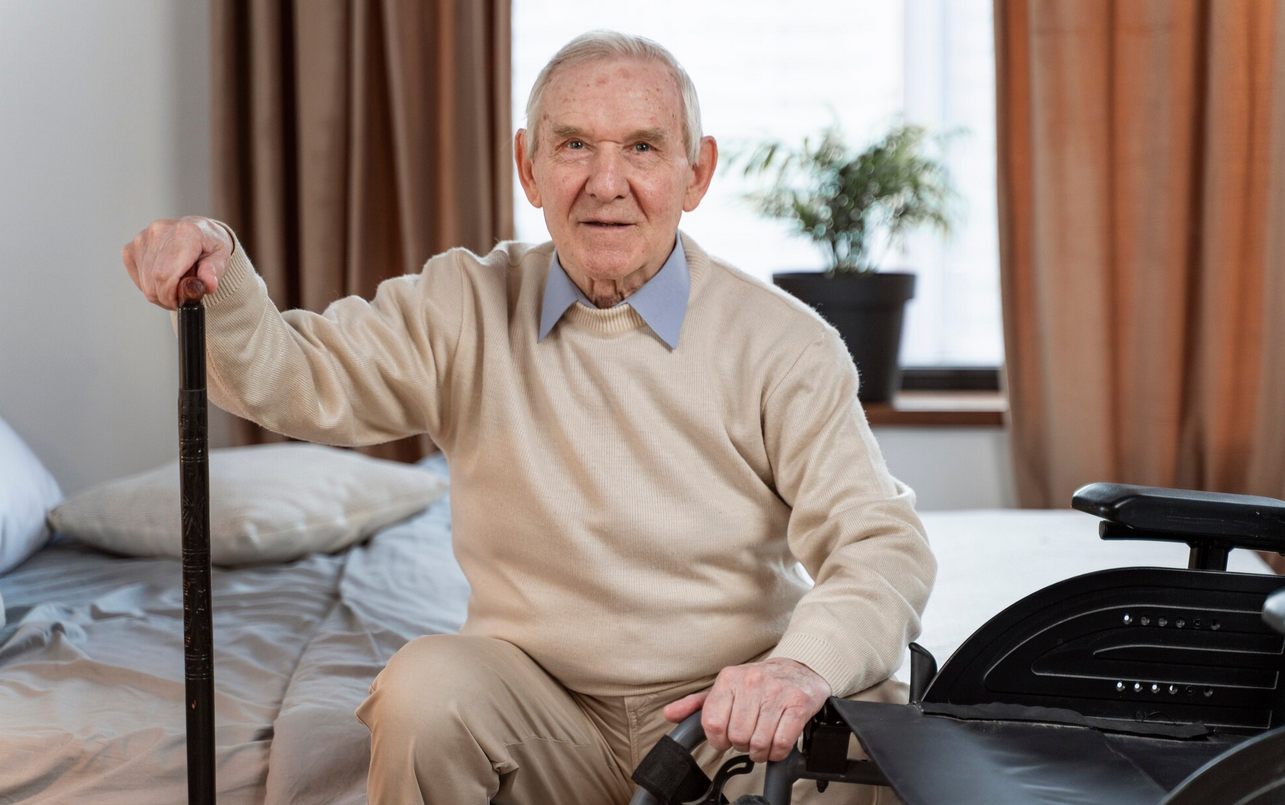
Stroke recovery is a journey that continues long after hospital discharge. Home-based exercises are crucial for regaining movement, strength, and independence. This guide provides practical exercises and strategies for effective stroke rehabilitation at home.
Understanding stroke recovery
Stroke recovery varies greatly between individuals depending on:
- Severity and location of stroke
- Which side of body is affected
- Age and overall health
- Speed of treatment
- Commitment to rehabilitation
Recovery timeline
- First 3 months: Most rapid recovery
- 3-6 months: Continued significant improvement
- 6-12 months: Ongoing gains with effort
- Beyond 1 year: Further improvement possible
Key principles of stroke rehabilitation
Neuroplasticity
The brain can rewire itself and form new connections. This requires:
- Repetition of movements
- Consistent practice
- Challenging but achievable tasks
- Focused attention
Use it or lose it
- Use affected limbs as much as possible
- Avoid learned non-use
- Include affected side in daily activities
- Practice functional tasks
Task-specific training
- Practice actual activities you want to do
- Real-world movements
- Meaningful to you
- Transfers to daily life
Arm and hand exercises
Passive range of motion
If you cannot move arm yourself:
- Use unaffected hand to move affected arm
- Move through full range gently
- Shoulder, elbow, wrist, fingers
- 10 repetitions each movement
- 3-4 times daily
Active-assisted exercises
If you have some movement:
- Clasp hands together
- Lift arms overhead
- Reach forward and to sides
- Unaffected arm helps affected arm
- 10 reps, 3 times daily
Strengthening exercises
As movement returns:
- Reaching for objects
- Lifting light weights
- Resistance band exercises
- Pushing and pulling activities
- Functional tasks (dressing, eating)
Hand exercises
- Opening and closing fist
- Finger spreads
- Thumb to each finger
- Picking up small objects
- Squeezing therapy putty
Leg exercises
In bed or sitting
- Ankle pumps: 20 reps, hourly
- Knee bends: Slide heel towards buttock
- Hip flexion: Lift knee towards chest
- Leg straightening: Tighten thigh, straighten knee
- Hip abduction: Move leg out to side
Standing exercises
- Weight shifting side to side
- Marching on spot
- Hip extension: Leg back behind you
- Knee bends (mini squats)
- Heel raises
Walking practice
- Practice daily, multiple times
- Use walking aid if needed
- Focus on quality of movement
- Gradually increase distance
- Practice different surfaces
Balance exercises
Sitting balance
- Sit unsupported if able
- Reach in different directions
- Weight shift side to side
- Trunk rotations
Standing balance
- Stand with support initially
- Progress to less support
- Weight shifting
- Single leg stands (supported)
- Tandem stance
Transfers and mobility
Bed mobility
- Rolling to affected side
- Rolling to unaffected side
- Moving up and down in bed
- Sitting up from lying
- Lying down from sitting
Sit-to-stand
Key technique:
- Shuffle forward in chair
- Feet flat on floor
- Lean forward (nose over toes)
- Push through legs to stand
- Practice 10 times, 3 times daily
Stairs
Going up: Unaffected leg first
Going down: Affected leg first
Remember: "Up with the good, down with the bad"
Functional activities
Self-care tasks
- Washing and dressing
- Brushing teeth
- Combing hair
- Eating and drinking
- Using toilet
Household tasks
- Making tea or coffee
- Preparing simple meals
- Light cleaning
- Folding laundry
- Watering plants
Managing spasticity
What is spasticity?
Muscle stiffness and tightness common after stroke. Can affect movement and cause discomfort.
Management strategies
- Regular stretching
- Positioning affected limbs correctly
- Gentle range of motion exercises
- Heat therapy
- Medication if prescribed
- Avoid triggers (pain, cold, infection)
Preventing complications
Shoulder pain
- Support arm when sitting
- Do not pull on affected arm
- Regular shoulder exercises
- Correct positioning
- Seek help if pain develops
Contractures
- Daily stretching
- Full range of motion exercises
- Correct positioning
- Splints if recommended
Falls
- Use walking aid if needed
- Remove home hazards
- Good lighting
- Non-slip footwear
- Balance exercises
Daily exercise routine
Morning routine (20 minutes)
- Bed exercises: 10 minutes
- Sitting balance: 5 minutes
- Sit-to-stand practice: 5 minutes
Afternoon routine (30 minutes)
- Arm exercises: 10 minutes
- Leg exercises: 10 minutes
- Walking practice: 10 minutes
Evening routine (20 minutes)
- Hand exercises: 10 minutes
- Balance exercises: 5 minutes
- Stretching: 5 minutes
Throughout day
- Use affected side in daily activities
- Practice functional tasks
- Regular position changes
Overcoming challenges
Fatigue
- Very common after stroke
- Exercise when energy highest
- Short frequent sessions
- Rest between activities
- Gradually build stamina
Motivation
- Set meaningful goals
- Track progress
- Celebrate small wins
- Exercise with family
- Join stroke support group
Frustration
- Recovery takes time
- Progress is not linear
- Focus on what you can do
- Be patient with yourself
- Seek emotional support
The role of professional support
Elderly Rehabilitation & Exercise provides:
- Assessment of specific deficits
- Personalized exercise programme
- Hands-on treatment
- Progression guidance
- Problem-solving
- Motivation and support
Family involvement
How families can help
- Encourage daily exercises
- Assist with exercises if needed
- Provide emotional support
- Help with functional practice
- Be patient and positive
- Celebrate progress
Important principles
- Encourage use of affected side
- Allow extra time for tasks
- Provide appropriate assistance
- Avoid doing everything for them
- Focus on abilities
Long-term recovery
Continuing improvement
- Recovery continues beyond first year
- Requires ongoing effort
- Consistent practice essential
- Never give up
Maintaining gains
- Continue exercises indefinitely
- Stay active
- Challenge yourself
- Set new goals
- Prevent deconditioning
The bottom line
Effective stroke recovery at home requires:
- Daily exercise and practice
- Repetition of movements
- Using affected side in daily activities
- Functional task practice
- Consistent effort over time
- Professional guidance
- Family support
- Patience and persistence
Stroke recovery is challenging but most people can make significant improvements with the right approach. The key is starting early, practicing consistently, and never giving up. Every repetition helps your brain rewire and recover function.
Need stroke rehabilitation support?
Our Elderly Rehabilitation & Exercise service provides personalized physiotherapy at home, helping you regain movement, strength, and independence. We work with you and your family to maximize your recovery potential.
About Lizzie Thornton
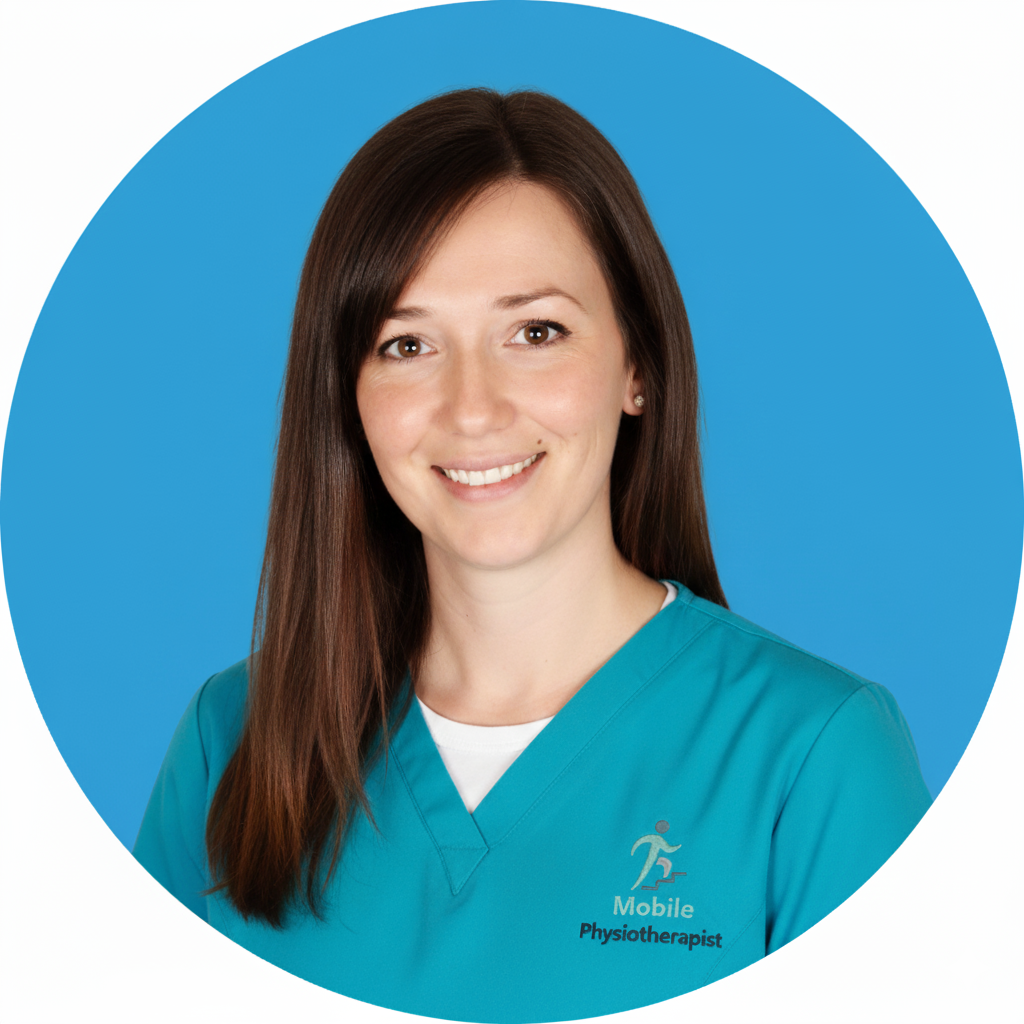
Lizzie Thornton is a specialist community physiotherapist with over 15 years of experience in stroke rehabilitation. She is HCPC registered and a member of the Chartered Society of Physiotherapy. Lizzie provides home physiotherapy visits across Staffordshire Moorlands and Cheshire East, helping stroke survivors regain function and independence.