Walking Programme for Beginners: Seniors Guide to Getting Started
Published
Local Physiotherapist - Lizzie Thornton, Staffordshire Moorlands & Cheshire East
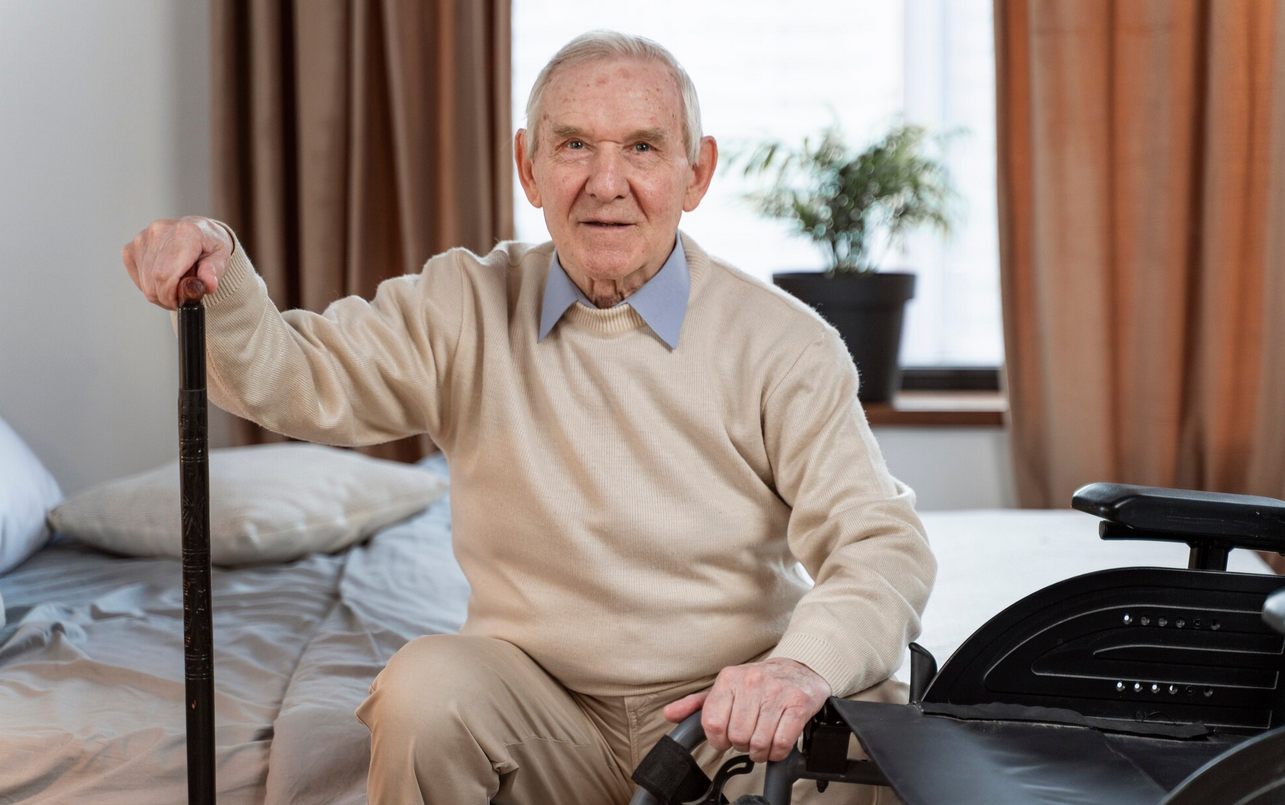
Walking is the perfect exercise for older adults. It's free, accessible, and provides numerous health benefits. This comprehensive guide helps you start a safe, effective walking programme tailored for seniors.
Why walking?
Benefits of regular walking
- Improves cardiovascular health
- Strengthens bones and muscles
- Enhances balance and coordination
- Reduces fall risk
- Helps manage weight
- Lowers blood pressure
- Improves mood and mental health
- Reduces risk of chronic diseases
- Maintains independence
- Social opportunities
Why it's ideal for seniors
- Low impact on joints
- No special equipment needed
- Can be done anywhere
- Easy to adjust intensity
- Safe for most people
- Can be social or solitary
Before you start
Medical clearance
- Check with GP if you have health conditions
- Especially important if: heart disease, diabetes, joint problems
- Discuss any concerns
- Get advice on appropriate intensity
What you need
- Supportive walking shoes
- Comfortable clothing
- Water bottle
- Mobile phone
- Walking aid if needed
- High-visibility clothing if walking in low light
Starting your walking programme
Week 1-2: Getting started
- Walk 5-10 minutes daily
- Flat, even surfaces
- Comfortable pace
- Focus on consistency
- Build the habit
Week 3-4: Building up
- Increase to 10-15 minutes
- Once or twice daily
- Maintain comfortable pace
- Can include gentle slopes
Week 5-8: Progressing
- 15-20 minutes daily
- Slightly brisker pace
- Varied routes
- Include some hills if able
Week 9-12: Establishing routine
- 20-30 minutes daily
- Moderate pace
- 5 days per week minimum
- Varied terrain
Walking technique
Good posture
- Stand tall
- Look ahead, not down
- Shoulders back and relaxed
- Engage core gently
- Natural arm swing
Foot placement
- Heel strikes first
- Roll through foot
- Push off with toes
- Feet pointing forward
- Natural stride length
Breathing
- Breathe naturally
- Should be able to talk
- Not gasping for breath
- Rhythmic breathing
Intensity guidelines
How hard to walk
- Moderate intensity ideal
- Slightly breathless but can talk
- Warm but not sweating heavily
- Heart rate elevated but comfortable
- Use "talk test"
Rating of Perceived Exertion
- Scale of 1-10
- Aim for 5-6 out of 10
- Should feel like moderate effort
- Not easy, not exhausting
Safety considerations
Choosing routes
- Well-lit areas
- Even surfaces initially
- Avoid busy roads
- Know where rest spots are
- Tell someone your route
Weather considerations
- Avoid extreme heat or cold
- Dress in layers
- Be cautious in rain (slippery)
- Avoid ice and snow
- Stay hydrated in warm weather
Warning signs to stop
- Chest pain or tightness
- Severe breathlessness
- Dizziness or lightheadedness
- Nausea
- Severe fatigue
- Joint pain
Overcoming barriers
Lack of motivation
- Walk with friend or group
- Set specific goals
- Track progress
- Vary routes
- Listen to music or podcasts
- Reward yourself
Weather concerns
- Indoor alternatives (shopping center)
- Invest in waterproof clothing
- Walk earlier or later in day
- Have backup plan
Fear of falling
- Start on flat, even surfaces
- Use walking aid if needed
- Walk with companion
- Build confidence gradually
- Work on balance exercises
Joint pain
- Start with shorter walks
- Use supportive footwear
- Walk on softer surfaces
- Use walking poles
- Warm up and cool down
Progression strategies
Increasing duration
- Add 2-5 minutes weekly
- Build up to 30 minutes
- Can split into shorter walks
- Listen to your body
Increasing intensity
- Walk slightly faster
- Include hills
- Add intervals (faster/slower)
- Carry light weights
- Use walking poles
Adding variety
- Different routes
- Varied terrain
- Walking backwards (safely)
- Sideways walking
- Nature walks
Staying motivated
Set goals
- Specific and achievable
- Short-term and long-term
- Write them down
- Celebrate achievements
Track progress
- Keep walking diary
- Use pedometer or fitness tracker
- Note how you feel
- Record improvements
Make it social
- Join walking group
- Walk with friend or family
- Arrange regular walking dates
- Share achievements
The role of physiotherapy
Walking Practice provides:
- Personalized walking programme
- Gait assessment and correction
- Building confidence outdoors
- Safe progression guidance
- Addressing specific concerns
- Support and motivation
The bottom line
Successful walking programme requires:
- Starting at appropriate level
- Building up gradually
- Consistency (aim for daily)
- Proper footwear
- Safe routes
- Listening to your body
- Making it enjoyable
Walking is one of the best activities for older adults. Start where you are, progress gradually, and enjoy the many benefits of regular walking.
Need help starting a walking programme?
Our Walking Practice service provides personalized support to help you start walking safely and build confidence outdoors. We create tailored programmes and provide ongoing encouragement.

About Lizzie Thornton
Lizzie Thornton is a specialist community physiotherapist with over 15 years of experience helping older adults stay active. She is HCPC registered and a member of the Chartered Society of Physiotherapy. Lizzie provides home physiotherapy visits across Staffordshire Moorlands and Cheshire East.