What to Expect During Your First Home Physiotherapy Visit
Published
Local Physiotherapist - Lizzie Thornton, Staffordshire Moorlands & Cheshire East
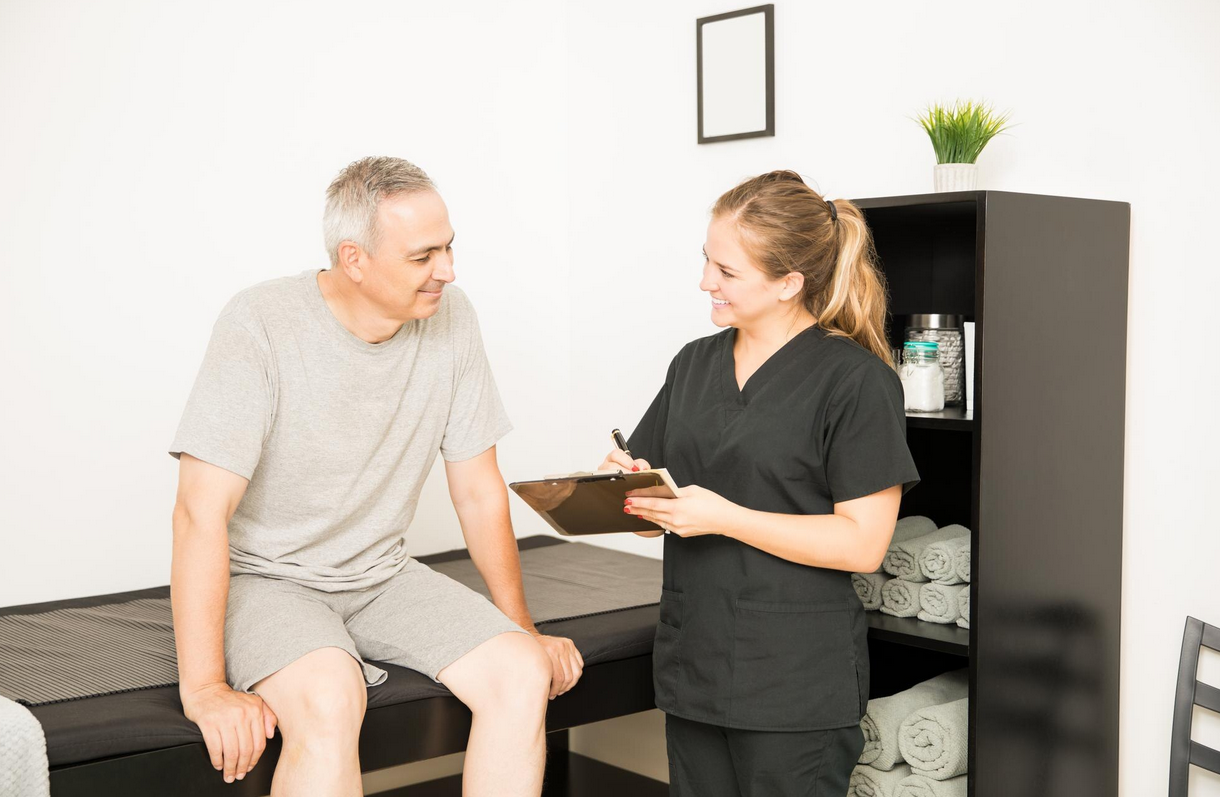
Booking your first home physiotherapy visit can feel daunting if you don't know what to expect. This guide walks you through exactly what happens during your initial assessment, how to prepare, and what comes next.
Before your appointment
Once you've booked your first visit, you'll receive a confirmation with the date, time, and your physiotherapist's contact details. Most first appointments last 45-60 minutes, giving plenty of time for a thorough assessment.
How to prepare
Here's what you can do to make the most of your first visit:
Gather your paperwork
- GP referral letters (if you have one — not essential)
- Hospital discharge summaries
- X-ray or scan reports
- List of current medications
- Any previous physiotherapy notes
Think about your goals
- What activities are you finding difficult?
- What would you like to be able to do?
- Are there specific concerns or fears you have?
- What matters most to you right now?
Practical preparations
- Wear comfortable, loose clothing you can move in
- Have a clear space where you can do some simple movements
- Make sure any pets are secured (if applicable)
- Have a pen and paper handy for notes
What happens during the visit
Your first appointment follows a structured format, but it's also flexible based on your individual needs.
1. Introduction and discussion (15-20 minutes)
Your physiotherapist will start by getting to know you and understanding your situation:
- Medical history: Current and past health conditions, surgeries, medications
- Current symptoms: What's bothering you, when it started, what makes it better or worse
- Daily activities: What you do on a typical day, what you're finding difficult
- Your goals: What you want to achieve from physiotherapy
- Your concerns: Any worries or questions you have
This is your chance to ask questions and share anything that's important to you. There are no silly questions — your physiotherapist wants to understand your full picture.
2. Physical assessment (20-25 minutes)
Next, your physiotherapist will assess your movement and function. This might include:
- Observation: Watching how you move, sit, stand, and walk
- Range of movement: Checking how far your joints can move
- Strength testing: Assessing the strength of key muscle groups
- Balance assessment: Testing your stability in different positions
- Functional tasks: Watching you do everyday activities (getting up from a chair, walking, climbing stairs)
Everything is done at your pace, and you can stop at any time if you need a break or feel uncomfortable.
3. Home environment assessment (5-10 minutes)
One of the unique benefits of home physiotherapy is that we can assess your actual living environment:
- Checking for trip hazards (rugs, cables, clutter)
- Assessing lighting and visibility
- Looking at furniture height and layout
- Identifying where grab rails or aids might help
- Practicing on your own stairs (if relevant)
This real-world assessment allows for much more practical and relevant advice than a clinic setting.
4. Treatment plan and exercises (10-15 minutes)
Based on the assessment, your physiotherapist will:
- Explain what they've found and what it means
- Discuss realistic goals and timescales
- Create a personalized treatment plan
- Teach you initial exercises to practice
- Provide written or pictorial exercise sheets
- Arrange follow-up appointments
You'll leave with clear exercises to practice and a plan for your next visit.
What about costs?
Home physiotherapy is a private service, and costs are typically discussed before your first visit. At your initial appointment, your physiotherapist will:
- Confirm the cost of the assessment
- Explain follow-up appointment costs
- Discuss how many sessions you might need
- Answer any questions about payment
For full pricing information, visit our pricing page. We believe in transparent pricing with no hidden fees.
After your first visit
Following your initial assessment, you'll have:
Your exercise programme
A tailored set of exercises to practice at home, usually 2-3 times per week. These are designed specifically for your needs and abilities.
Clear goals
Realistic, achievable goals that matter to you — whether that's walking to the shops, getting upstairs more easily, or reducing pain.
Follow-up plan
A schedule for your next visits, typically every 1-2 weeks initially, then spacing out as you improve.
Contact information
Your physiotherapist's contact details if you have questions between appointments.
Common questions about first visits
Do I need to be in pain to see a physiotherapist?
No. Physiotherapy isn't just for pain — it's also for improving strength, balance, mobility, and preventing problems. Many people see a physiotherapist to maintain their independence or prevent falls.
Will it hurt?
Assessment and exercises should not be painful. You might experience some mild discomfort as you work muscles that haven't been used much, but this is normal and different from pain. Always tell your physiotherapist if something hurts.
Do I need a GP referral?
No. You can book private physiotherapy directly without a GP referral. However, if you have one, it's helpful to bring it along.
What if I can't do the exercises?
Your exercises are tailored to your current abilities. If something is too difficult, your physiotherapist will modify it. The goal is to challenge you appropriately, not overwhelm you.
How many sessions will I need?
This varies greatly depending on your condition and goals. Some people need just a few sessions for advice and exercises, while others benefit from ongoing support over several months. Your physiotherapist will discuss this at your first visit.
What makes home physiotherapy different?
Having physiotherapy at home offers several unique advantages:
- No travel stress: Especially important if you find travel difficult or tiring
- Real-world assessment: We see how you move in your actual environment
- Practical solutions: Advice is specific to your home setup
- Comfort and privacy: You're in familiar surroundings
- Family involvement: Easier for family members to be present if helpful
- Functional practice: We can practice on your actual stairs, furniture, etc.
Ready to book your first visit?
If you're considering home physiotherapy, the first step is a simple phone call. We offer a free 5-10 minute phone consultation to discuss your needs, answer questions, and check if physiotherapy is right for you.
There's no obligation, and it's a chance to find out more before committing to an appointment.
Get started with home physiotherapy
Ready to book your first visit? Get in touch for a free phone consultation to discuss your needs.

About Lizzie Thornton
Lizzie Thornton is a specialist community physiotherapist with over 15 years of experience working with older adults. She is HCPC registered and a member of the Chartered Society of Physiotherapy. Lizzie provides home physiotherapy visits across Staffordshire Moorlands and Cheshire East, specializing in falls prevention, elderly rehabilitation, and helping people maintain their independence at home.