Stroke and Neurological Rehabilitation at Home in Cambridgeshire
Published · 11 min read
Local Physiotherapist — Avais Kawos, Northamptonshire & Cambridgeshire
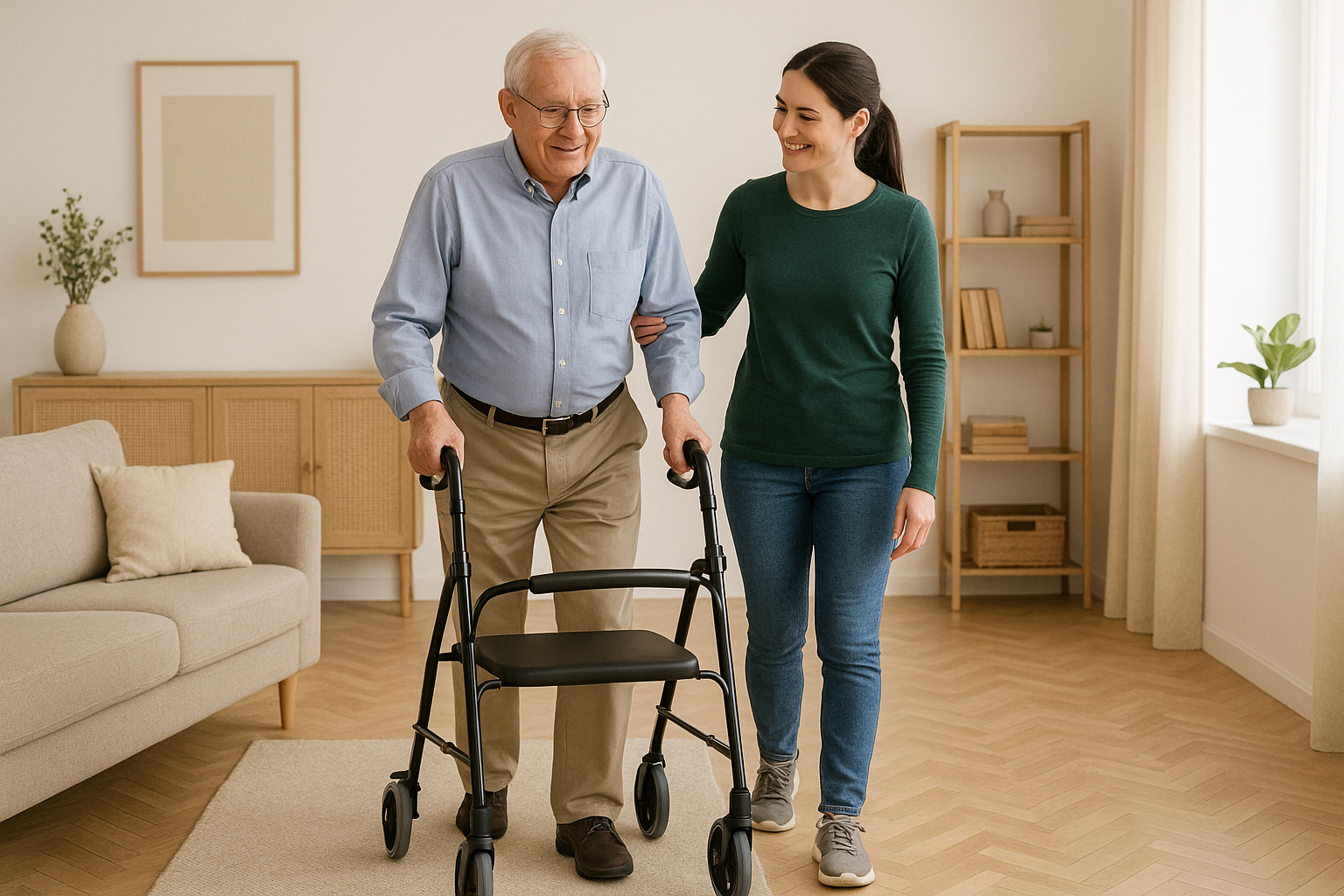
Home neurological physiotherapy in Cambridgeshire for walking, balance, transfers, confidence, fatigue and functional recovery after stroke or neurological illness.
Rehab needs to happen where function is needed
After a stroke or neurological illness, improvement often depends on repeated practice of meaningful tasks. Home physiotherapy allows treatment to focus on the actual bed, chair, stairs, bathroom, hallway and outdoor route that influence independence. That makes goals more specific and progress easier to judge.
Who may benefit
Home neurological physiotherapy may help adults recovering from stroke, neurological illness, reduced mobility, balance problems, weakness, altered walking pattern, fatigue, loss of confidence or difficulty with transfers and stairs. It can also support people who have completed NHS input but want continued structured rehabilitation.
What the assessment may include
The assessment can look at transfers, sit-to-stand, walking, balance, stairs, strength, fatigue, tone, coordination, confidence and the home environment. It may also include practical discussion with family or carers so everyone understands how to support safe practice between visits.
Treatment goals
Goals are usually functional: standing more safely, walking with a better pattern, turning with more control, improving step length, managing stairs, walking outside, reducing falls risk, improving stamina or returning to a valued activity. Exercises are selected because they support those goals, not because they fill a sheet of paper.
Stroke recovery is not always linear
Progress after stroke or neurological illness can be uneven. Fatigue, sleep, medication, mood, pain and confidence all affect performance. A home programme should be flexible enough to account for those changes while still giving enough challenge to drive improvement.
Working with existing care
Private physiotherapy can complement NHS community teams, GP care, consultant advice, occupational therapy, speech and language therapy or social care. If a specialist neuro service, urgent medical review or additional equipment assessment is more appropriate, that should be made clear.
Cambridgeshire coverage
Home visits are available across Cambridge, Peterborough, Ely, Huntingdon, St Neots, St Ives, Wisbech, March, Chatteris, Whittlesey, Ramsey, Soham and surrounding towns. Exact availability can be checked on the free phone assessment.
When to seek urgent advice
New stroke symptoms, sudden severe headache, new facial droop, arm weakness, speech problems, chest pain, severe breathlessness or sudden deterioration require urgent medical help. Physiotherapy is for rehabilitation, not emergency assessment.
Related services
Local area links
- Cambridgeshire home physiotherapy
- Cambridge, Peterborough, Ely, Huntingdon, St Neots, St Ives, Wisbech, March
Frequently asked questions
Can home physiotherapy help months after a stroke?
Often, yes. Progress can still be possible with targeted, repeated practice and a clear plan, although goals depend on the individual presentation.
Can family be shown how to help?
Yes. Family or carers can be included so practice between sessions is safer and more consistent.
Does neurological rehabilitation only mean stroke rehab?
No. It can also support other neurological conditions where mobility, balance, strength or confidence are affected.

About Avais Kawos
Avais Kawos is the local HCPC registered physiotherapist for these services, with NHS community, intermediate care, stroke, musculoskeletal and respiratory rehabilitation experience. He provides private home physiotherapy across Northamptonshire and Cambridgeshire.